When your mind won’t shut off, structured training gives you a reset you can actually feel.
In Oakhurst, stress often shows up in predictable places: tight shoulders from desk time, a racing mind after a long commute, and that low-level irritability that sneaks into family life. We see it every week, and we also see what helps. Martial Arts works as stress relief because it is active, focused, and surprisingly calming all at once.
Unlike a workout where your brain can keep replaying emails and to do lists, training demands presence. You have a combination to remember, a partner to work with, a timer running, and a coach guiding the details. That structure becomes a relief on its own, because your attention finally has one job.
The best part is that the benefits are not vague. People usually notice a shift in mood early, sometimes after the first few sessions. Your body gets the endorphin lift from hard work, your breathing settles, and your nervous system learns what calm under pressure feels like in real time.
Why stress relief feels different in Oakhurst
Oakhurst sits in a sweet spot that is convenient, but also mentally draining. Many locals juggle school schedules, shore traffic, and work demands that do not politely end at five. Stress becomes a background noise, and if you only have passive ways to unwind, it tends to stay there.
We built our class structure around the reality that you are busy. A focused 45 to 60 minute session can deliver a stronger reset than an hour of scrolling, because you leave with that clean tired feeling. Your muscles are worked, your mind is quieter, and your posture usually looks different walking out than it did walking in.
Martial Arts in Oakhurst has also become a social anchor for a lot of adults who miss having a consistent community. Stress thrives in isolation. Training does the opposite by giving you familiar faces, shared effort, and routines that make your week feel steadier.
The science behind why Martial Arts reduces stress
Stress is not only an emotion. It is a full body state driven by hormones, breathing patterns, and nervous system activation. We coach all of those levers inside a typical session, even when it just looks like pad work or grappling rounds.
Endorphins and the immediate mood shift
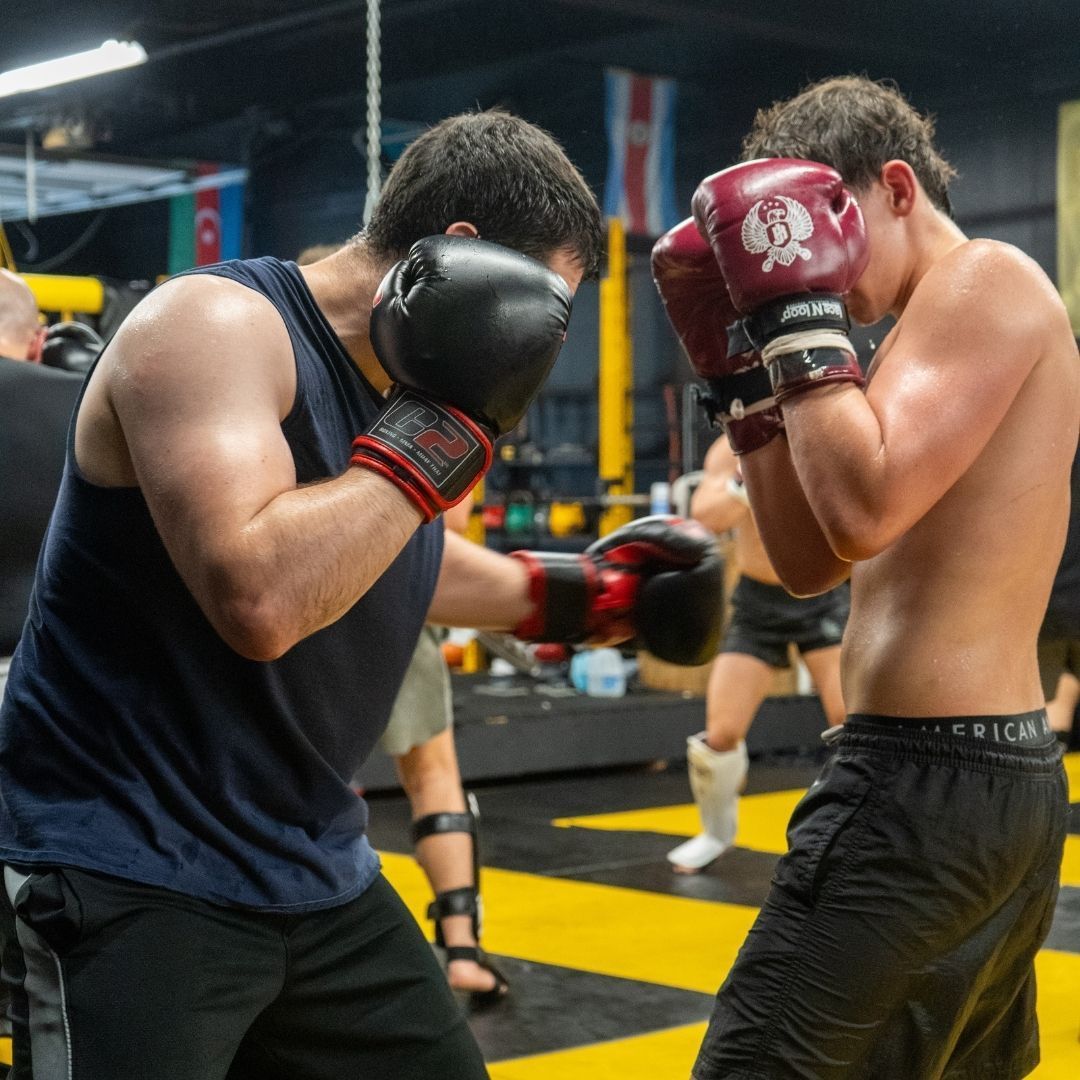
Hard training triggers endorphin release, which acts like your body’s natural mood booster. That is why many students describe feeling lighter after class, even if the day felt heavy before they arrived. High intensity rounds in MMA and Kickboxing are especially effective here because you alternate bursts of effort with short recovery periods, and that pattern pushes a strong, noticeable change.
Endorphins also reduce pain perception, which matters more than most people expect. When you carry stress in your neck, chest, or shoulders, the combination of movement and endorphins can make your body feel more comfortable and less guarded.
Mindfulness without trying to meditate
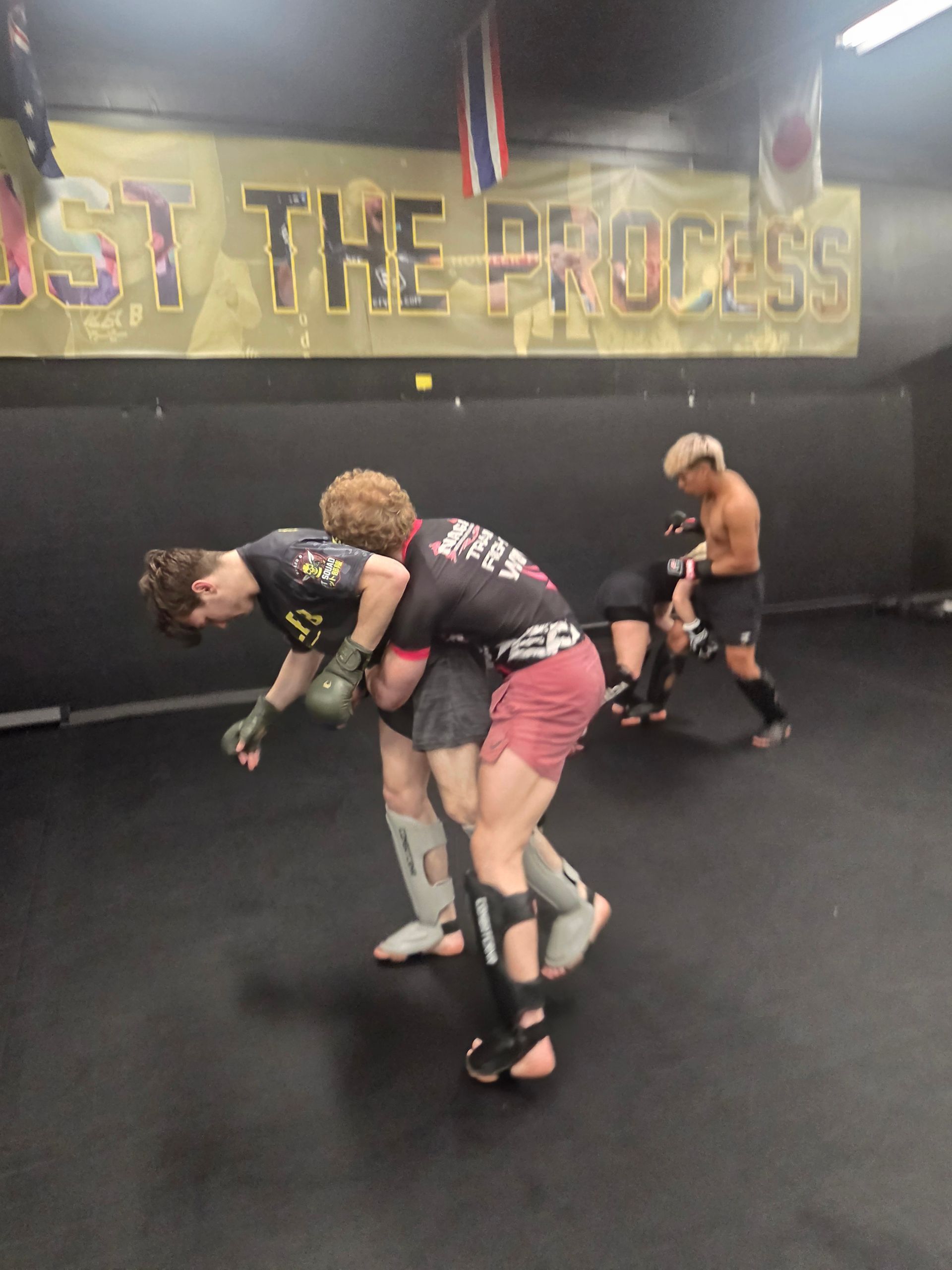
A big reason Martial Arts is such a strong stress tool is that it forces real focus. If you are practicing a jab cross hook, you cannot drift mentally very far without losing the rhythm. If you are drilling a takedown entry, you have to feel timing, balance, and position.
That focus becomes a practical version of mindfulness. You are fully in the moment because the moment requires you. Over time, that skill carries into daily life. You get better at noticing when your mind spirals, and you get better at bringing it back.
Breath control and nervous system regulation
Stress changes breathing. It gets shallow, fast, and chest heavy. In training, we coach you to breathe through effort, recover between rounds, and stay steady when your heart rate climbs. That matters because breathing patterns communicate with your autonomic nervous system.
When you learn to control your breath while moving, your body learns that intensity is not danger. Heart rate and blood pressure come down faster after stress spikes. That is a powerful skill for work anxiety, parenting pressure, and the general chaos of modern schedules.
Why striking and grappling release tension in different ways
Most adults hold tension in specific places. Desk work and commuting tend to lock up the upper back, shoulders, and hips. Stress also lives in the jaw and hands, even if you do not notice until you finally relax.
We use a blend of striking and grappling to address that tension from multiple angles. Striking is an obvious outlet, but it is also a lesson in rhythm, timing, and boundaries. Grappling is less obvious until you try it, then you realize how much it forces you to relax strategically.
Striking: clean power, cleaner head
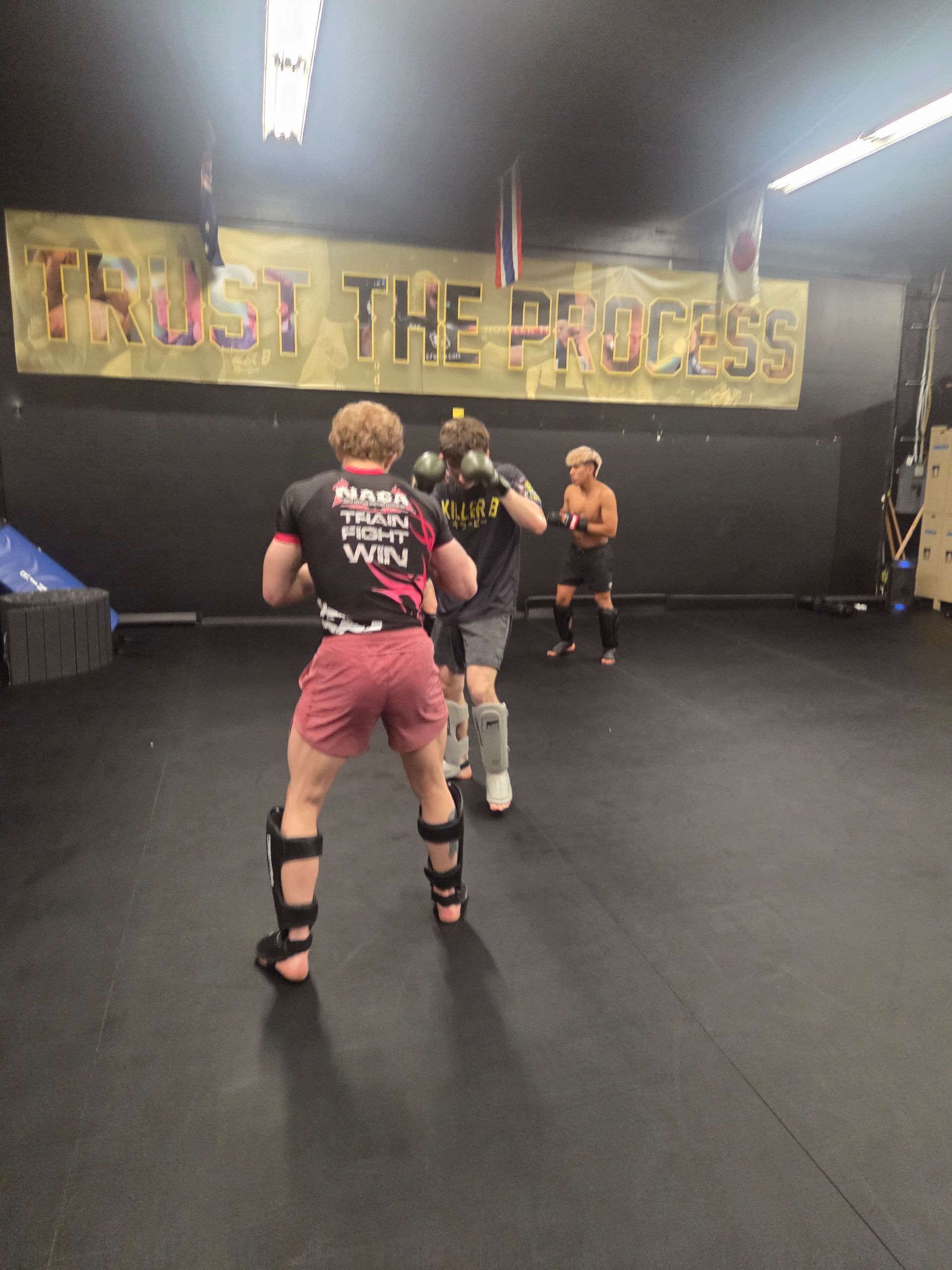
Pad work and bag work give you a direct outlet for pressure. You hit a target with proper mechanics, you hear the impact, and you feel the feedback. That sensory loop is grounding. It also builds confidence quickly, because you can measure progress by how your balance improves, how your hands return to guard, and how your breathing steadies during combinations.
Striking is also a good teacher of emotional regulation. The goal is not to swing wildly. The goal is to stay sharp, calm, and technical even when you are tired. That skill is basically stress management disguised as training.
Grappling: learning calm under pressure
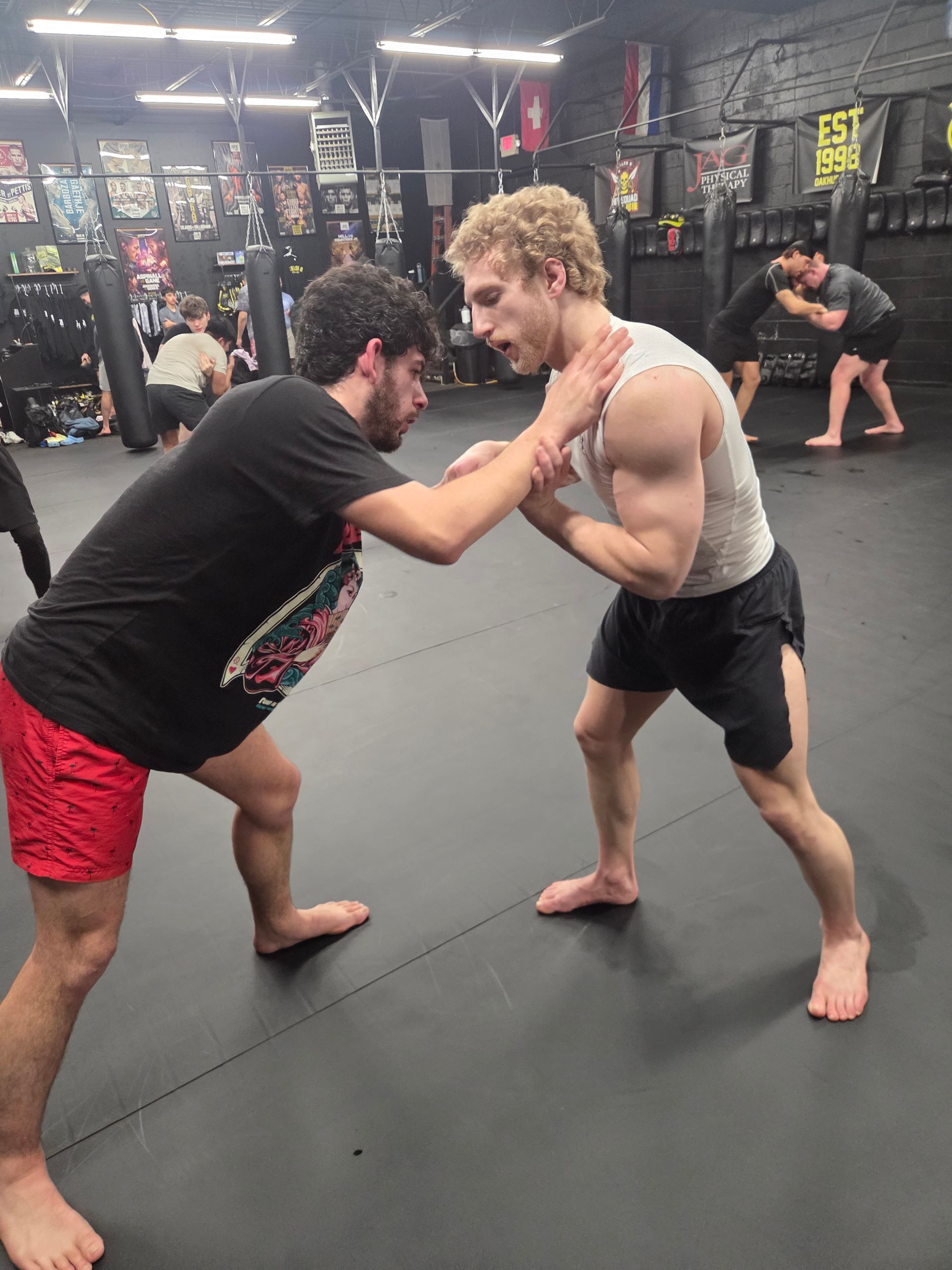
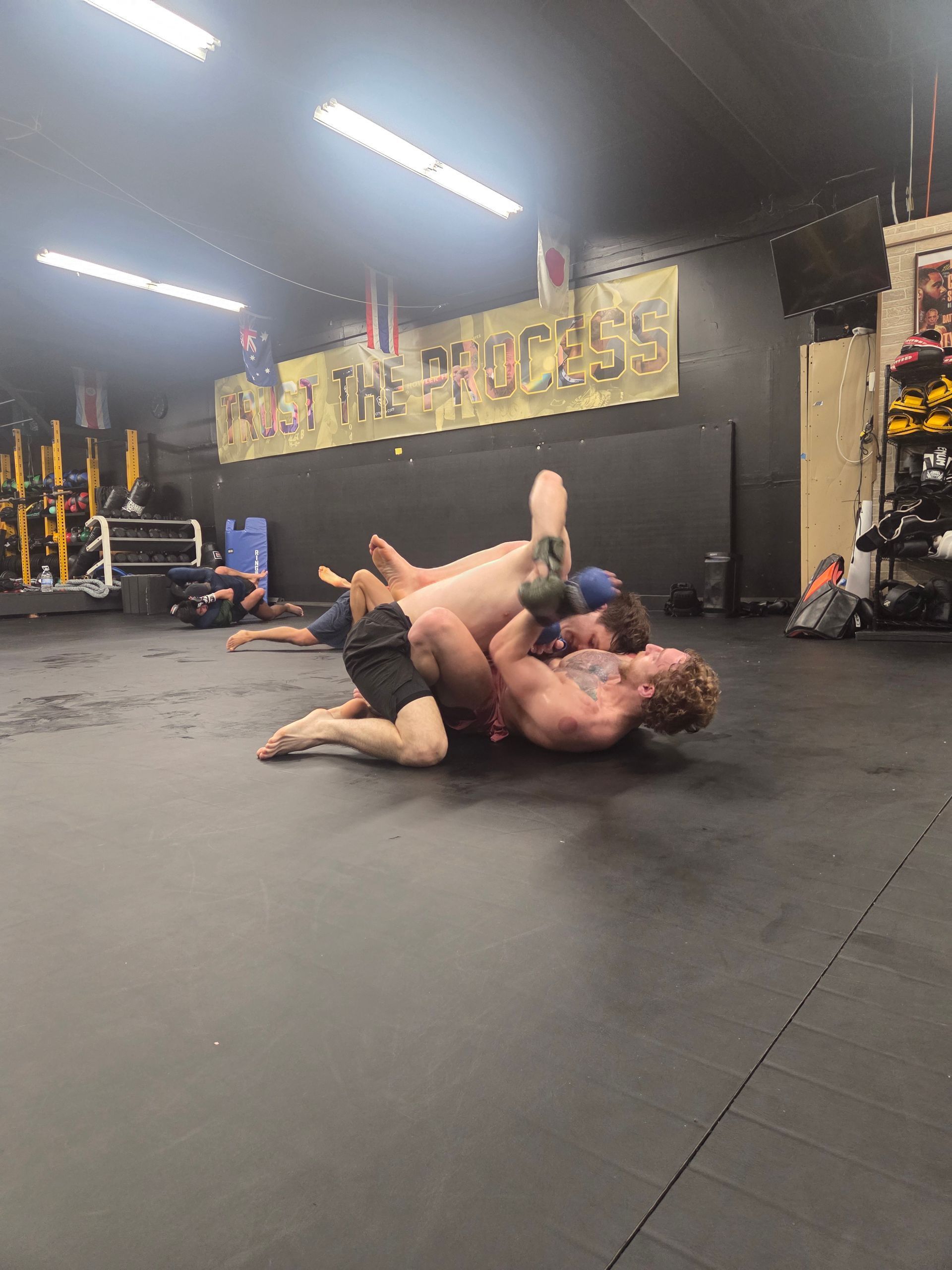
Grappling has a funny effect on stress. It demands effort, but it also punishes tension. If you hold your breath and fight every position with brute force, you gas out. When you learn to frame, breathe, and move with intention, you last longer and you feel calmer.
For adults with desk job tightness, grappling often targets the exact places that feel stuck. Your shoulders open up, your hips move, and your core wakes up. You leave class feeling like your body got rearranged in a good way.
What a stress relief focused class actually looks like
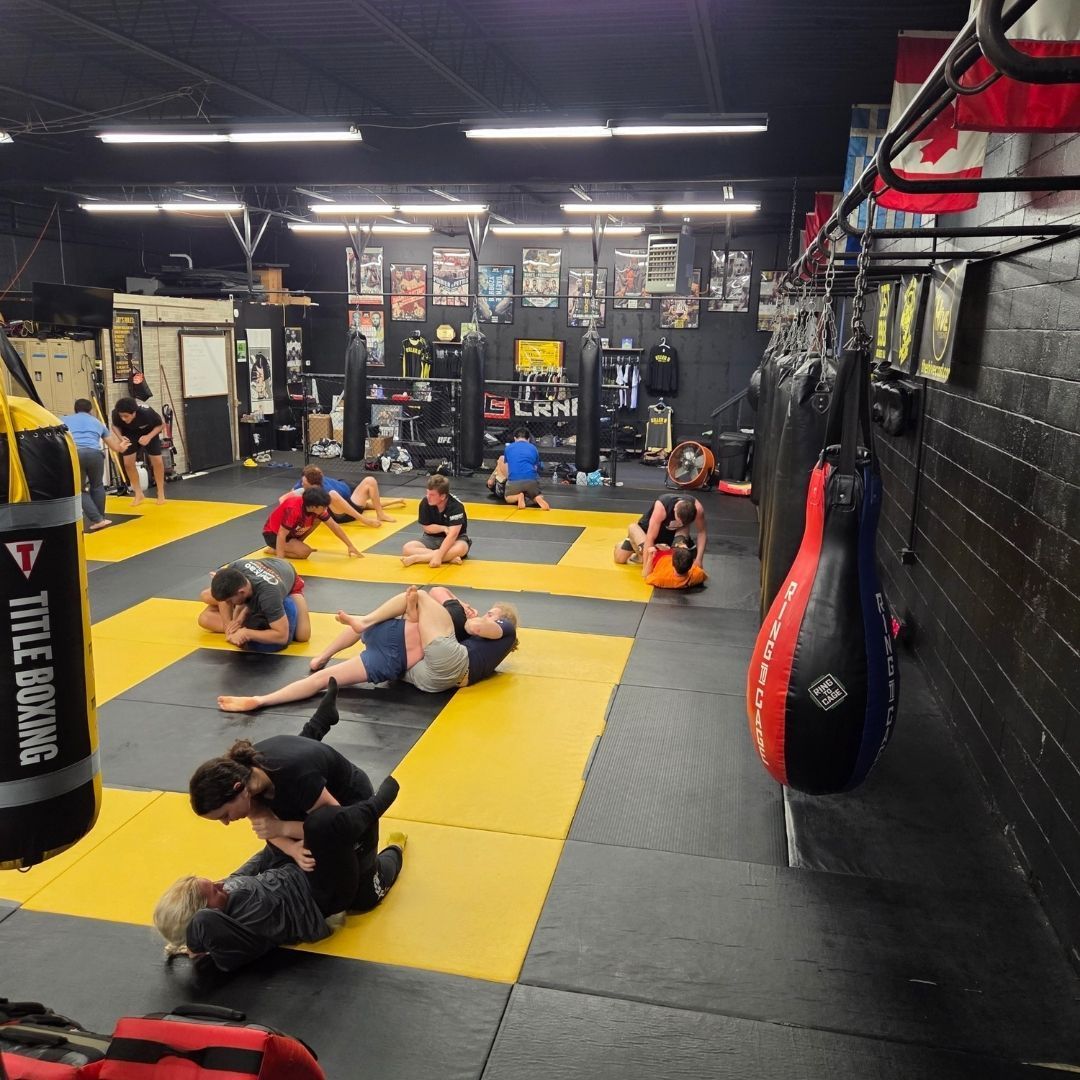
Our sessions are structured so you can walk in carrying a chaotic day and still know exactly what to do. That predictability matters. Your brain relaxes when it does not have to guess what is coming next.
A typical class flow often includes:
• Warm ups that increase circulation and loosen the joints where stress hides, especially hips, shoulders, and upper back.
• Technique instruction that gives your mind one clear target, like a combination, a guard pass, or a defensive movement.
• Drilling time where you repeat the skill enough to feel competence, which is a confidence booster on its own.
• Controlled rounds that teach you to stay composed while your heart rate rises.
• Cooldown and quick coaching notes so you leave with a sense of closure, not a dangling unfinished feeling.
That last point is underrated. A good session ends with you feeling like you completed something. Stress often feels like never finishing anything.
Why Martial Arts in Oakhurst fits busy adult schedules
A lot of stress relief advice assumes you have endless free time. Most people in Oakhurst do not. We designed training to work as a reset even when you can only come a couple times a week.
Consistency matters more than marathon sessions. Two focused classes a week can change how you handle pressure, sleep, and mood. If you can add a third day, you often notice your conditioning and confidence climb faster, but we never treat busy schedules like a character flaw. We treat them like reality.
If your work is high pressure, you may notice mental wins before physical changes. You start thinking more clearly after tough meetings. You recover faster after stressful moments. You feel less reactive. That is the kind of progress that shows up quietly, then suddenly you realize it has been there for weeks.
Youth Martial Arts in Oakhurst and family stress relief
Adults are not the only ones carrying stress. Kids feel it too, just in different forms. School pressure, social dynamics, and constant stimulation can show up as restlessness, mood swings, or shut down behavior.
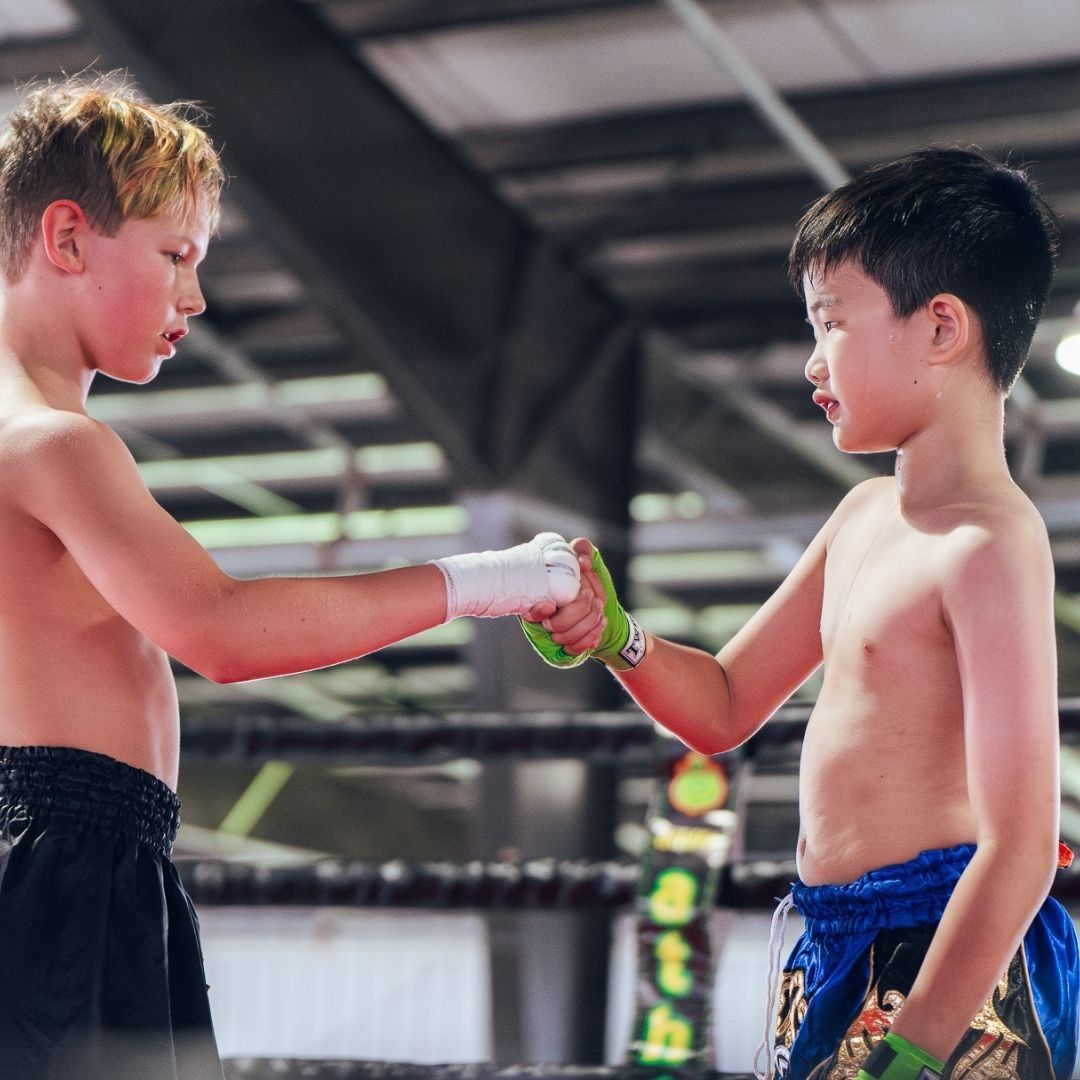
Youth Martial Arts in Oakhurst is valuable because it gives kids a structured place to move, listen, and build confidence. It also gives families a shared routine that is not another screen based activity. You pick up your child, you see them work hard, you watch them learn respect and focus, and the whole evening can feel more stable.
We coach kids with clear boundaries and positive structure. They learn how to stand correctly, how to follow instructions, and how to handle small challenges without melting down. Over time, that turns into better emotional control at home and at school, which reduces stress for everyone.
Common questions we hear from stressed beginners
Does Martial Arts really reduce stress, or is it just exercise
Exercise helps, but Martial Arts adds layers that standard cardio often misses. You get endorphins, yes, but you also get focused attention, coached breathing, and real problem solving. When your brain has to solve a physical puzzle, it stops looping on the same worries.
Is it safe for beginners with tight bodies and desk jobs
Yes, when training is structured well. We start beginners with fundamentals like stance, basic movement, pad work, and controlled partner drills. You build up gradually, and we coach technique before intensity. Many students are surprised by how quickly their bodies adapt when they train consistently and recover well.
How does it help with work related anxiety
Work anxiety often feels like pressure plus uncertainty. Training teaches you to operate under pressure with clear steps. You learn that uncomfortable moments are survivable and manageable. That translates to presentations, difficult conversations, and high demand workloads because your body has practiced staying calm while your heart rate is elevated.
How to get the most stress relief from your first month
If your main goal is to feel better mentally, you will get more out of training by approaching it with a simple plan. Here is what we recommend:
1. Start with two classes per week so your body can recover while your mind builds the habit.
2. Focus on breathing during warm ups and between rounds, since breath is the fastest way to shift your stress response.
3. Track mood before and after class for a few weeks, because the change is easier to notice on paper than in memory.
4. Prioritize basics over speed, since competence reduces stress more than chaos does.
5. Add a third day when your schedule allows, once your joints and sleep feel steady.
Most people come in thinking the goal is to be tough. The real goal is to be capable and calm, and toughness becomes a side effect.
Take the Next Step
If you are looking for a practical way to reset after work, handle pressure better, and feel more grounded in your body, we built our training to deliver that. You do not need to arrive in shape or already confident. You just need a willingness to learn, breathe, and show up consistently.
At
Killer B Combat Academy , we see Martial Arts change stress patterns in a very real way: better sleep, steadier moods, and more patience at home and on the road. If you are ready for a healthier outlet that also builds skill, we would love to help you get started.
Train with experienced instructors in a supportive environment by
joining a martial arts class at Killer B Combat Academy.