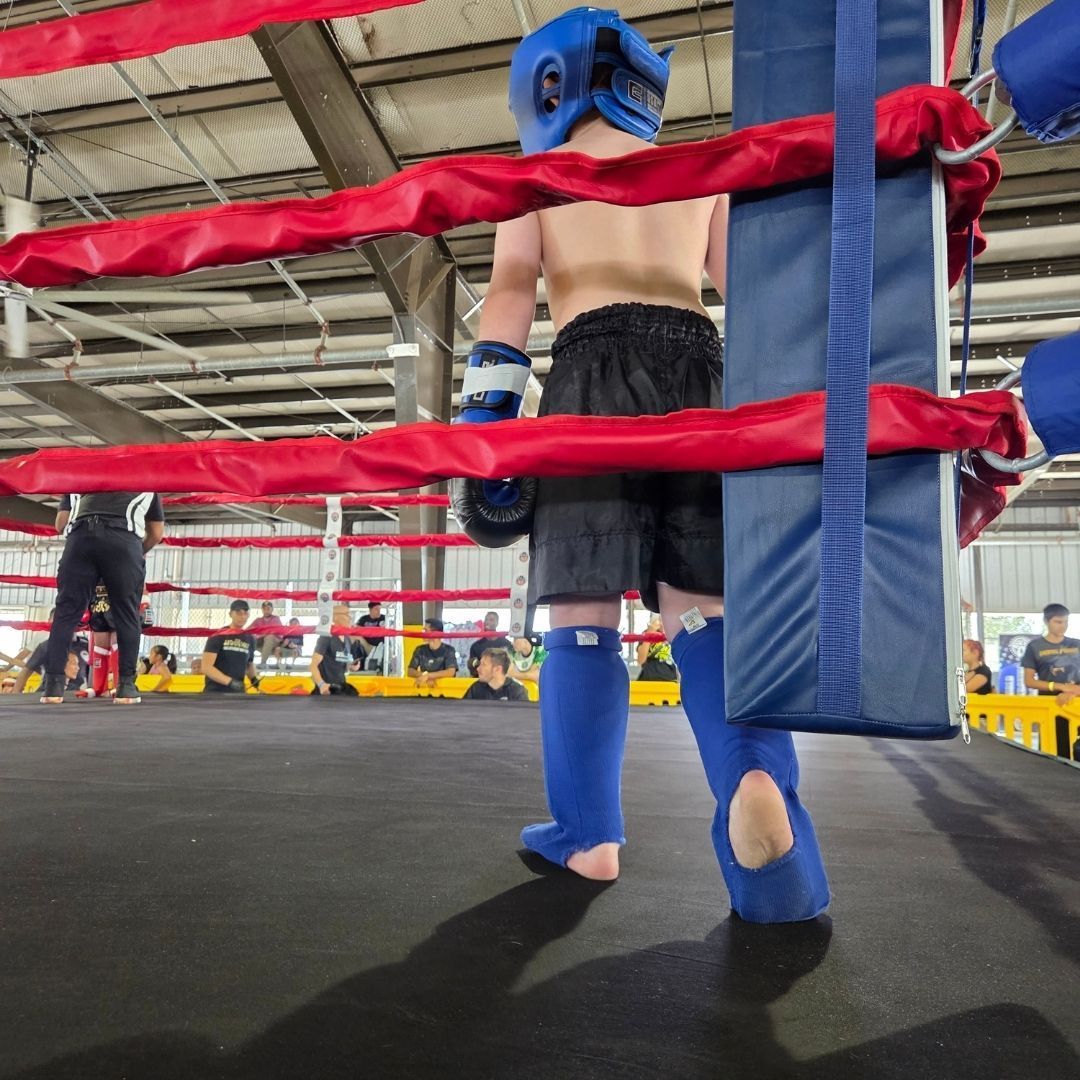
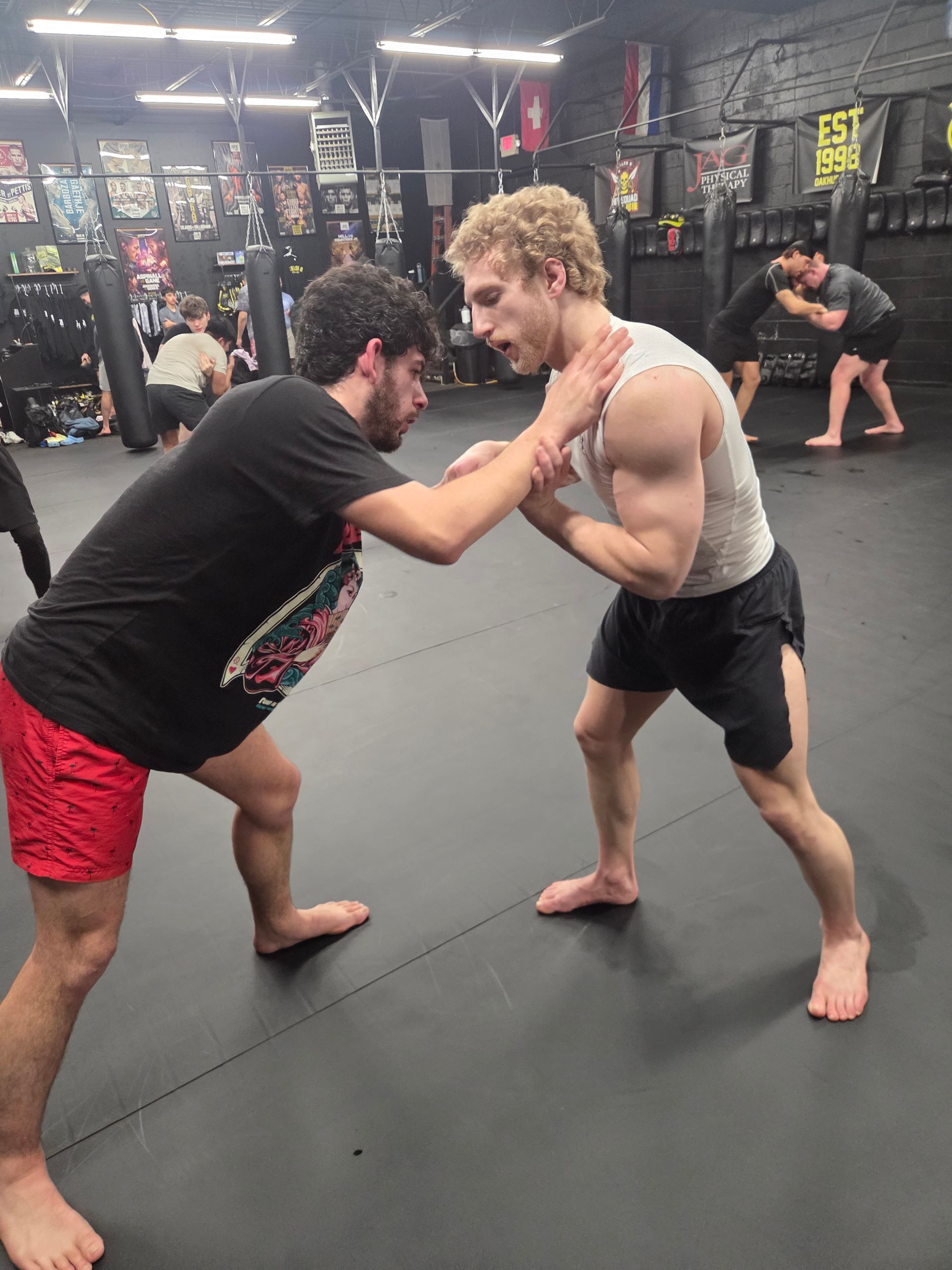
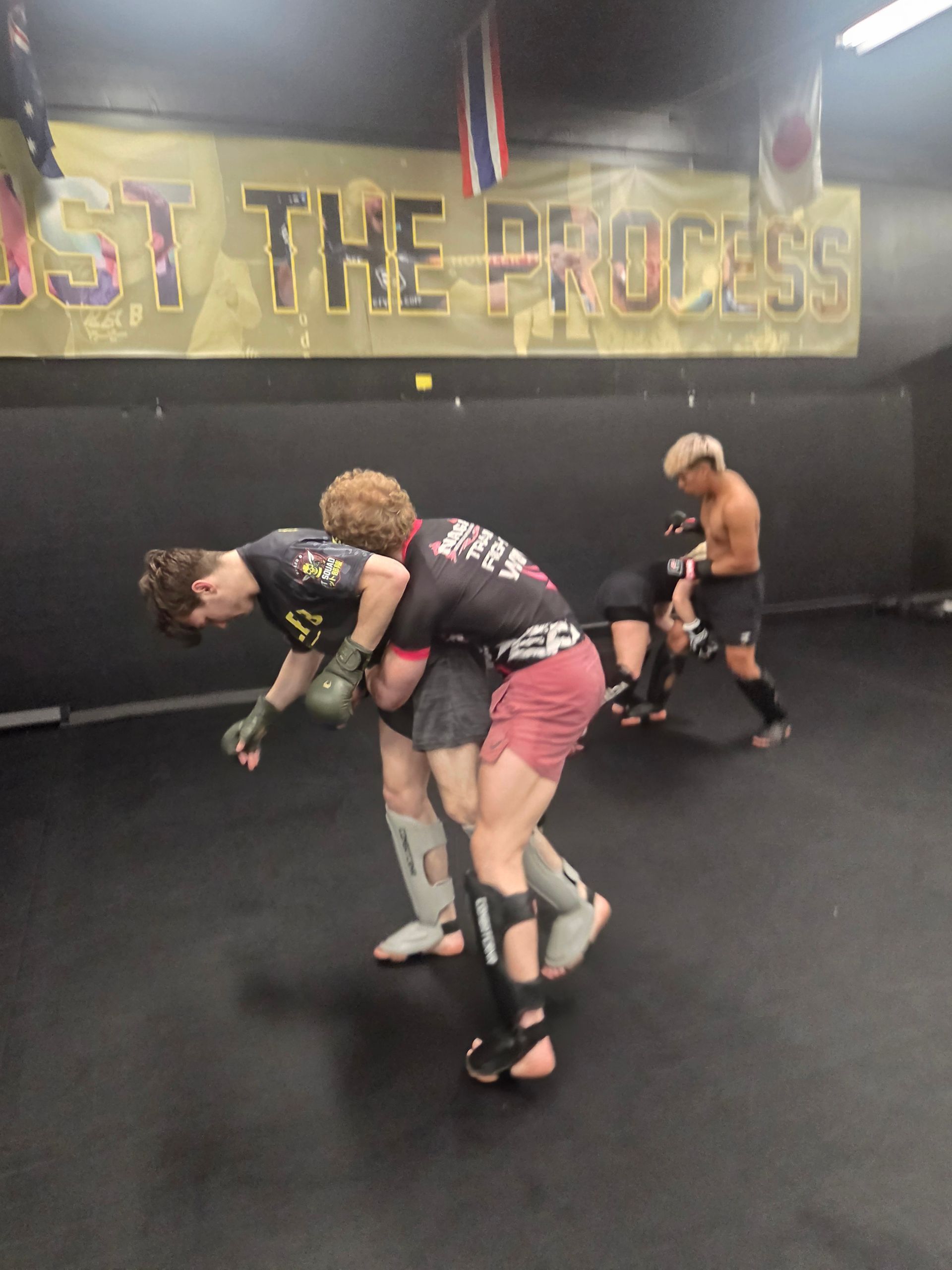
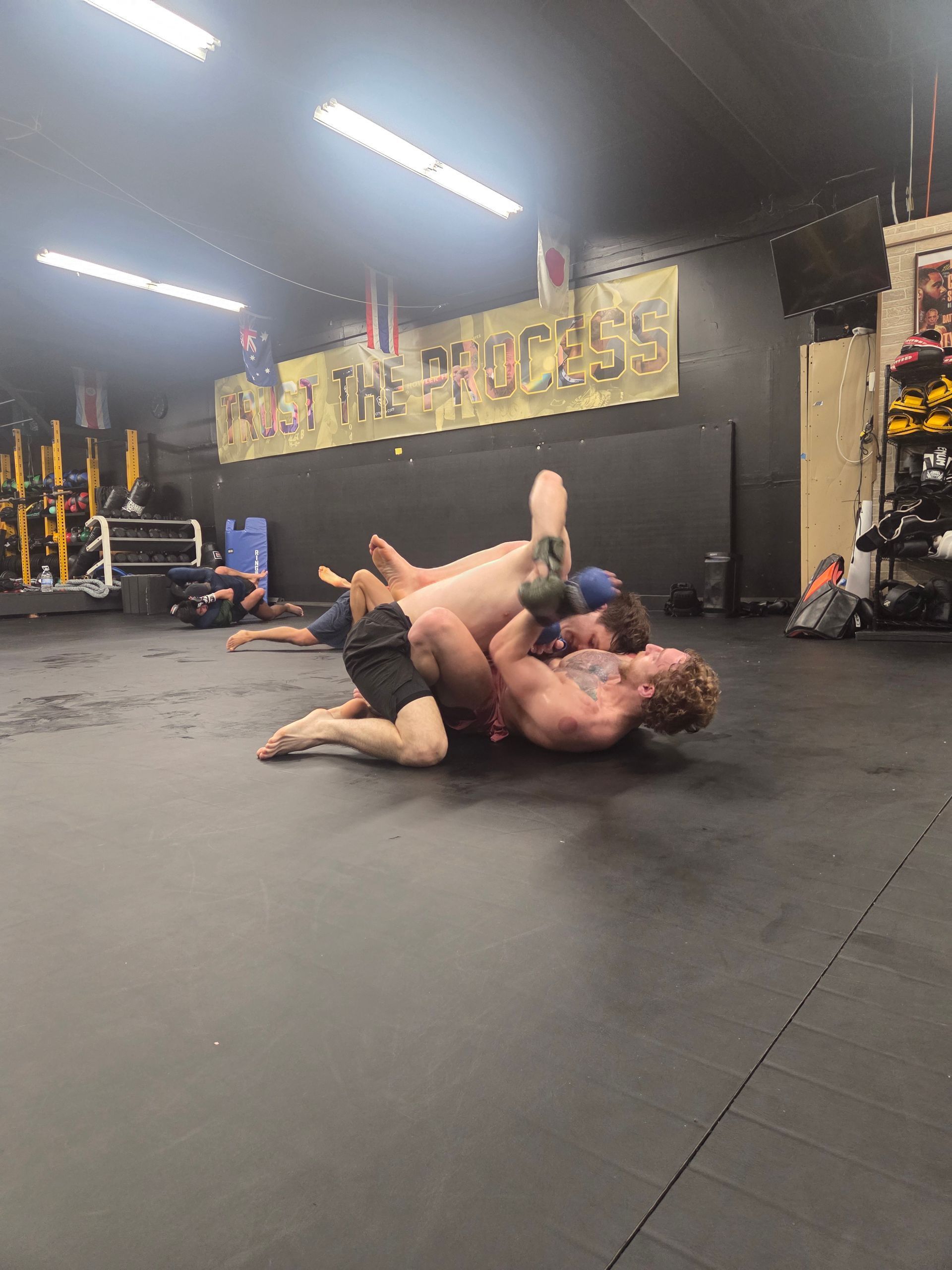
Youth Martial Arts can give your child the tools to handle big feelings, social pressure, and real-world conflict with calm confidence.
Kids today are surrounded by noise: school expectations, social dynamics, screens, and packed schedules. When emotions run hot, many children do not need another lecture. They need a place to practice real skills, in real time, with guidance that stays consistent. That is where Youth Martial Arts fits so well, because it trains the body and the mind together.
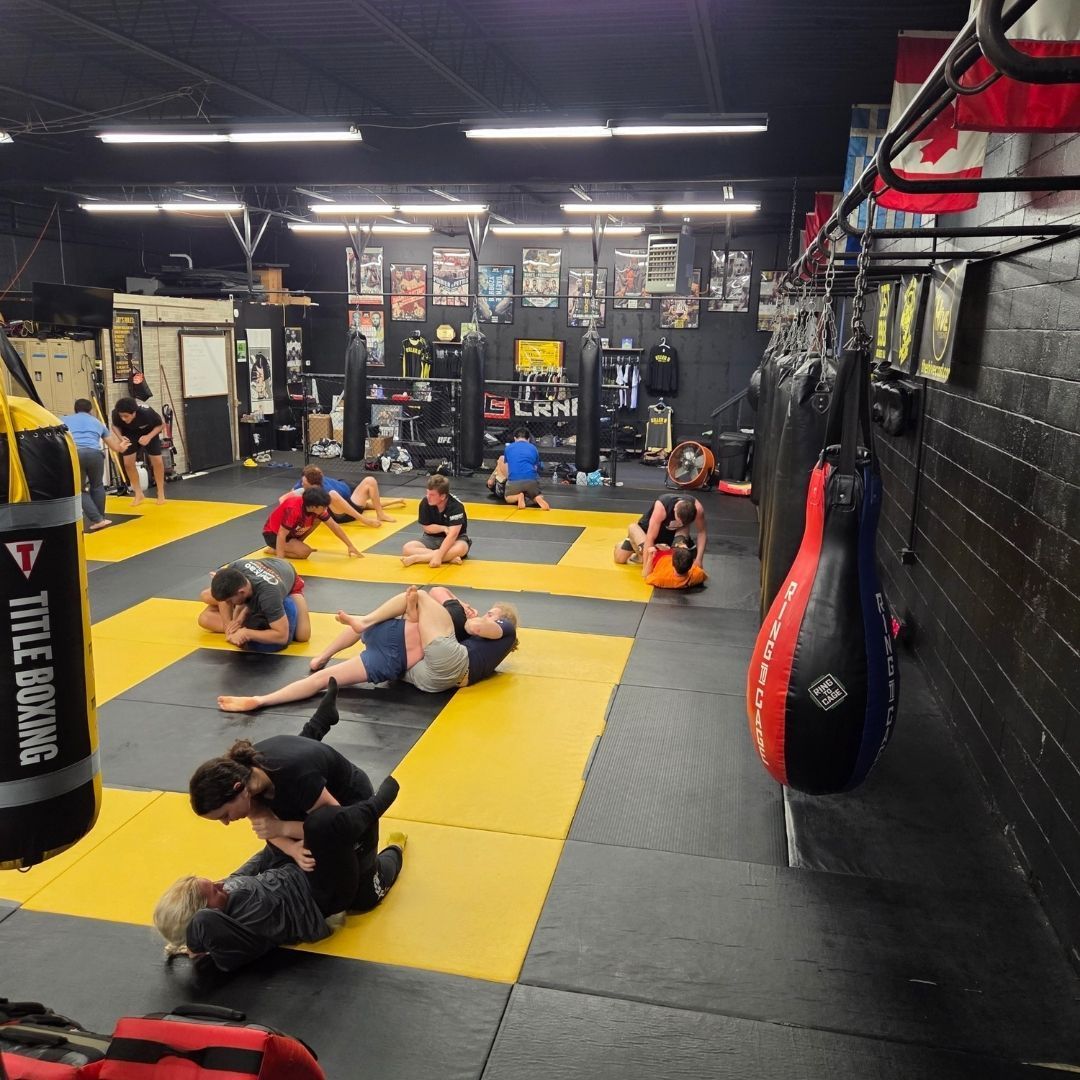
In our academy in Oakhurst, we treat emotional intelligence as a trainable skill, not a personality trait you either have or you do not. In class, your child gets repetitions: noticing feelings, naming them, regulating them, and choosing a better response. That happens while learning technique, following structure, and working with partners.
Youth Martial Arts is also booming for a reason. About 4 million children under 18 train in martial arts across the US, and participation has kept rising over the last decade. Families are investing in activities that deliver more than exercise. You want confidence, focus, respect, and emotional control that shows up at home and at school, not just in a gym.
Why emotional intelligence is the hidden superpower behind great training
Emotional intelligence is often explained as self-awareness, self-control, empathy, and social skills. We see it more simply in day-to-day moments: your child feels frustration and does not quit, feels embarrassment and does not shut down, feels excitement and still follows directions. Those little wins matter.
Youth Martial Arts creates a structured environment where emotions naturally appear. A missed technique, a tough drill, a partner who moves faster, a new belt goal, a correction from an instructor. None of that is “bad,” but it brings feelings to the surface. We coach kids through those moments so they learn how to respond instead of react.
And there is a bigger trend behind it. Two out of three teen martial arts participants say the sport is an important part of their social life. That matters because emotional intelligence is not built alone. It is built with people, in situations that require respect, communication, and boundaries.
Youth Martial Arts as a real-world emotional regulation lab
Learning to pause before reacting
If your child tends to snap, freeze, or melt down, the goal is not to suppress emotion. The goal is to recognize it early. In class, we teach kids to use breath, posture, and attention as a “reset button.” Even a simple habit like standing tall, hands in position, eyes forward can shift the nervous system from chaotic to controlled.
This is one reason Youth Martial Arts often translates into improved behavior at home. The training gives your child a physical routine for calming down. Over time, that routine becomes automatic.
Handling frustration without quitting
Progress in martial arts is honest. You cannot fake balance, timing, or control. That can frustrate kids who are used to quick rewards. But that is exactly the point. We help kids reframe frustration as information: “This is hard because I am learning.”
We also keep goals achievable. When kids can measure improvement, even in small steps, perseverance becomes part of their identity. That carries over into homework, sports, and social challenges.
Using confidence without aggression
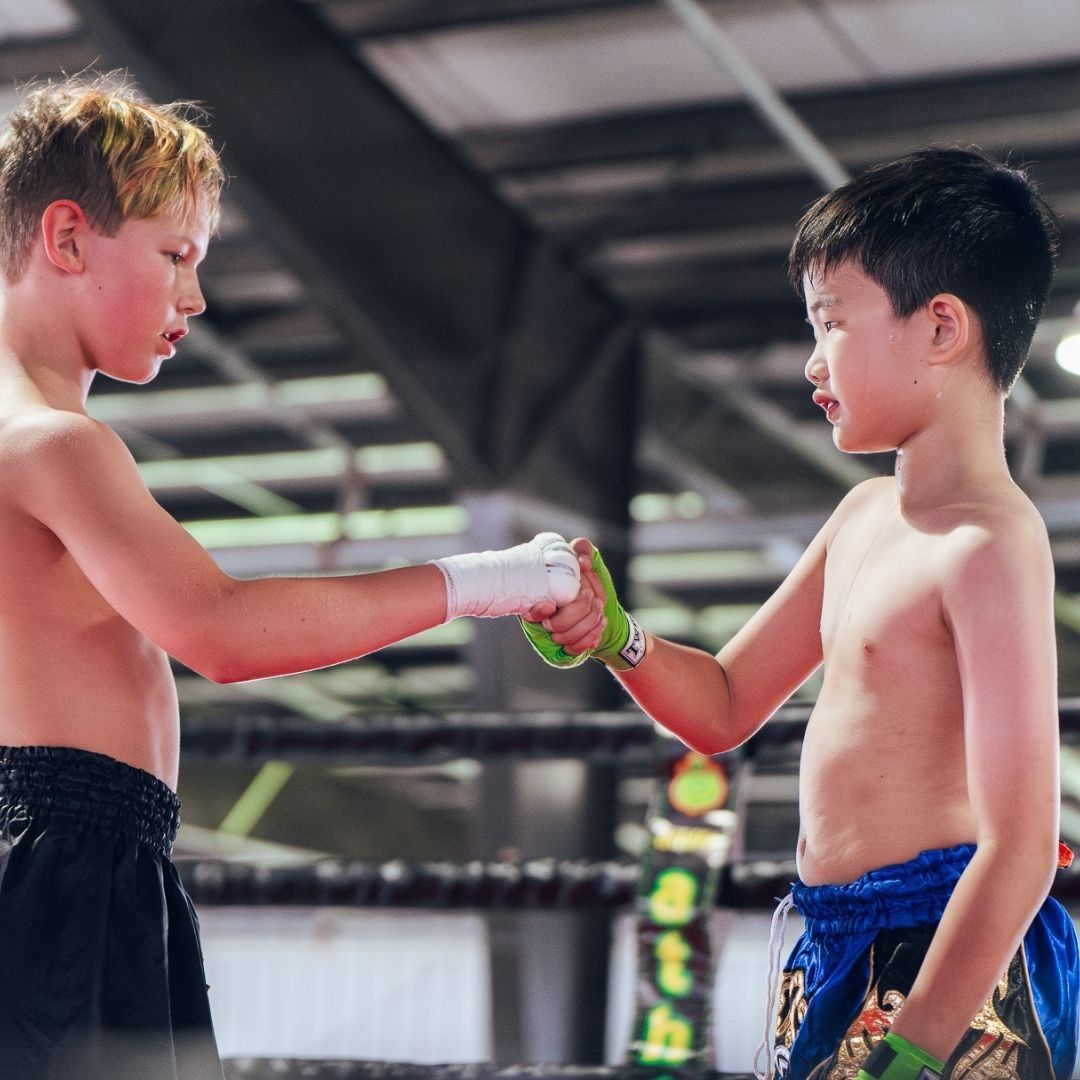
Parents often ask if martial arts will make a child more aggressive. Our experience is the opposite. Confidence tends to lower aggression because kids do not feel the need to prove themselves. We emphasize control, safety, and respect so kids learn that strength is something you manage responsibly.
That is especially important as more girls enter the sport. Women now make up roughly 30 to 40 percent of martial arts participants in many programs nationwide. A respectful training culture makes Youth Martial Arts welcoming for everyone.
What emotional intelligence looks like on the mat and off the mat
Self-awareness: “What am I feeling right now?”
In training, kids learn to read their own signals. Tight shoulders, rushing technique, holding their breath, talking back, checking out. We do not shame those signals. We use them. When a child can say, “I am nervous,” or “I am annoyed,” we can coach a better response.
At home, that might look like your child asking for a minute to cool down instead of slamming a door. Not perfect, but better. And better is the path.
Empathy: working with partners safely
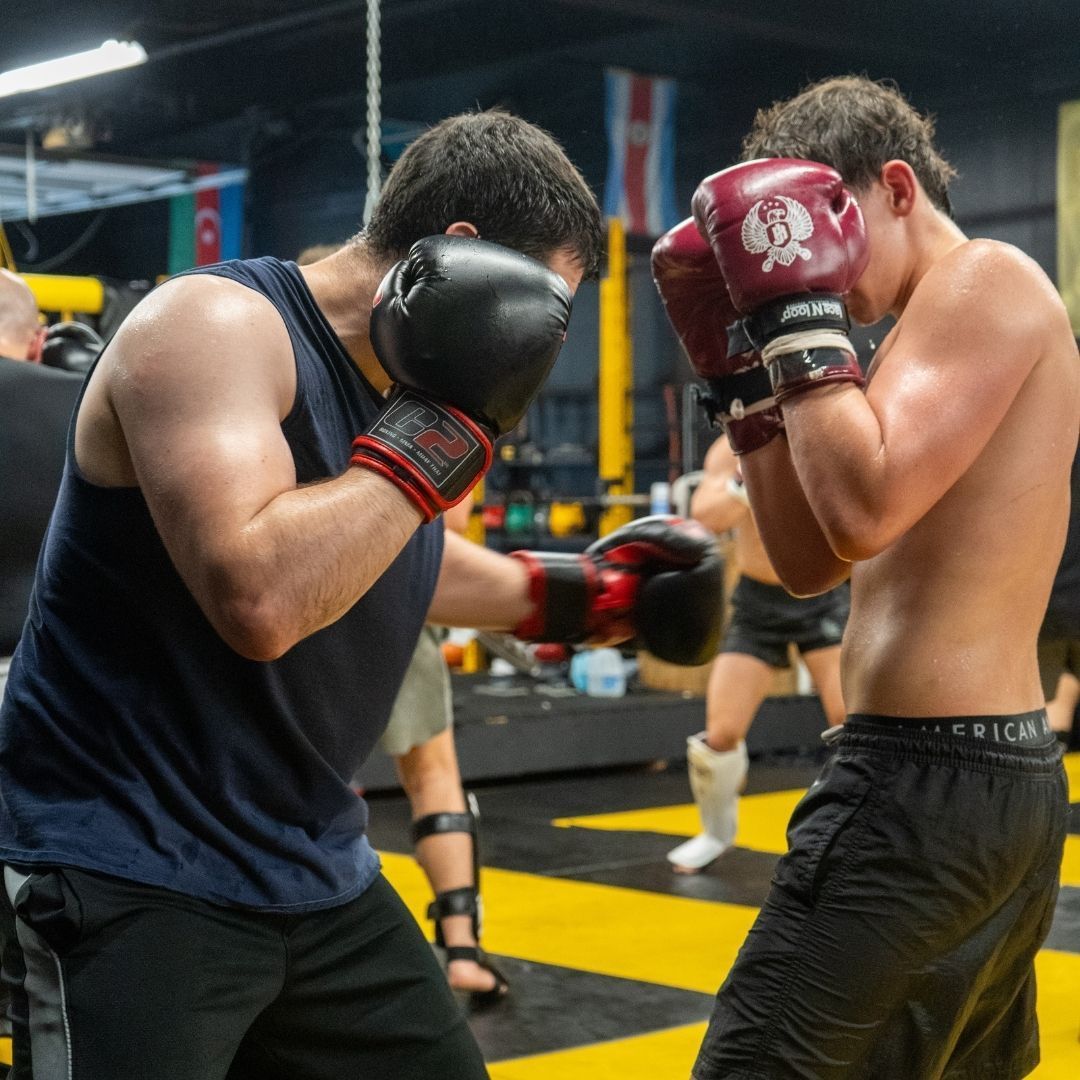
Youth Martial Arts is not just solo drills. Partner work teaches kids to consider another person’s space, pace, and safety. That builds empathy in a practical way, not in a “be nice” poster way.
Kids learn that control protects training partners. They also learn how to be a good partner: listening, communicating, and adjusting. Those are social skills that make school and friendships easier.
Communication: listening, clarifying, and responding
Martial arts class is full of small communication reps: lining up, following instructions, asking questions, responding respectfully, and accepting coaching. That may sound basic, but in a world of constant distraction, focused listening is a serious advantage.
This is also where Martial Arts in Oakhurst becomes a community benefit. Kids are not just burning energy. They are learning how to function in a structured environment with standards.
The social side of training: confidence that is earned, not performed
Confidence built on attention feels fragile. Confidence built on effort feels steady.
In Youth Martial Arts, kids earn progress by showing up, practicing, and improving. The social environment supports that. When everyone is working, kids stop comparing and start building. That is one reason martial arts is often described as a “second home” for teens.
We also keep expectations clear. Respect is not optional. If a student is having a rough day, we can acknowledge it and still hold boundaries. That combination, empathy plus structure, is one of the best emotional intelligence lessons we can offer.
A simple way we build real-life skills into every class
We do not separate “life skills” from “martial arts skills.” We train them together. Here are a few examples of what your child practices every week:
• Controlled breathing and posture under pressure, so stress feels manageable instead of overwhelming • Respectful communication with adults and peers, including how to accept feedback without defensiveness.
• Boundary-setting and personal space awareness, which supports safer social choices
• Focus and follow-through, because skill building requires repetition and patience.
• Conflict de-escalation habits, like staying calm, using a strong voice, and making smart exits when needed
That list is why many parents searching for Youth Martial Arts in Oakhurst end up caring just as much about mindset as technique.
Industry growth reflects what parents are looking for now
Martial arts participation has grown steadily, and the industry continues to expand. One reason is that parents want activities that do double duty: fitness plus character development. Another reason is flexibility. Around 35 percent of studios now offer virtual options as part of a hybrid model.
We understand the appeal of flexibility, but we also know something simple: in-person training is where kids get the strongest emotional intelligence reps. Body language, tone, space, and real-time coaching are hard to replace. That said, structured learning tools can still support progress when schedules get tight.
Cost is part of the conversation, too. Across the industry, martial arts training often averages around $150 per month. Families weigh that against value. What we aim to deliver is progress you can actually see: better focus, improved behavior, healthier confidence, and a positive peer environment.
How Youth Martial Arts supports school performance without turning into tutoring
We cannot promise grades, and we do not try to replace academics. But the habits that lead to improvement in martial arts are the same habits that support school success: attention, persistence, and self-management.
Focus is a skill, not a mood
Kids often wait to “feel focused.” Training teaches a different idea: focus is something you do. We practice returning attention to the task, even when distractions show up. That carries into reading, math, and testing situations.
Goal-setting makes progress feel real
Belts and skill milestones give kids a clear structure: work, improve, demonstrate, advance. When a child internalizes that process, school goals feel more achievable because the path is familiar.
Stress management is a real advantage
If your child gets anxious under pressure, Youth Martial Arts can help. Physical activity reduces stress, but the bigger benefit is learning to stay present during challenge. When kids experience “pressure” in a safe environment, tests and presentations feel less intimidating.
Safety, structure, and the emotional tone of the room
A high-quality youth program is not chaotic. It is energetic, but organized. We keep safety standards clear and consistent. That includes supervised partner work, age-appropriate contact, and a culture where control is praised more than intensity.
We also pay attention to the emotional tone. If a child is dysregulated, we do not pile on. We coach the moment. Sometimes that looks like a quick reset and rejoin. Sometimes it looks like stepping aside briefly, breathing, and coming back in. The goal is not perfection. The goal is learning what to do when feelings spike.
For families looking for Martial Arts in Oakhurst, this is often the deciding factor. You want a place that feels supportive but not soft, structured but not harsh.
How to tell if your child is gaining emotional intelligence through training
Results do not always show up as dramatic “before and after” moments. Often, you notice quieter changes first. Look for progress like:
1. Faster recovery after frustration, even if frustration still happens.
2. More respectful tone when corrected, at home and in class.
3. Better body control, like fewer impulsive movements and more patience.
4. Increased willingness to try hard things without bargaining or stalling.
5. More thoughtful choices with friends, boundaries, and peer pressure.
When those changes start stacking up, Youth Martial Arts becomes more than an activity. It becomes a framework your child uses everywhere.
Take the Next Step
Building emotional intelligence is not about a single talk or a quick fix. It is built through repetition, coaching, and a community that reinforces the right habits. That is exactly what we focus on every day, because real confidence and self-control are earned through practice.
If you are ready to explore Youth Martial Arts in Oakhurst with a program that treats mindset as seriously as technique, we would love to welcome you in.
Killer B Combat Academy is here to help your child build calm confidence, respectful strength, and real-life skills that last.
Put these techniques into practice by
joining a martial arts class at Killer B Combat Academy.