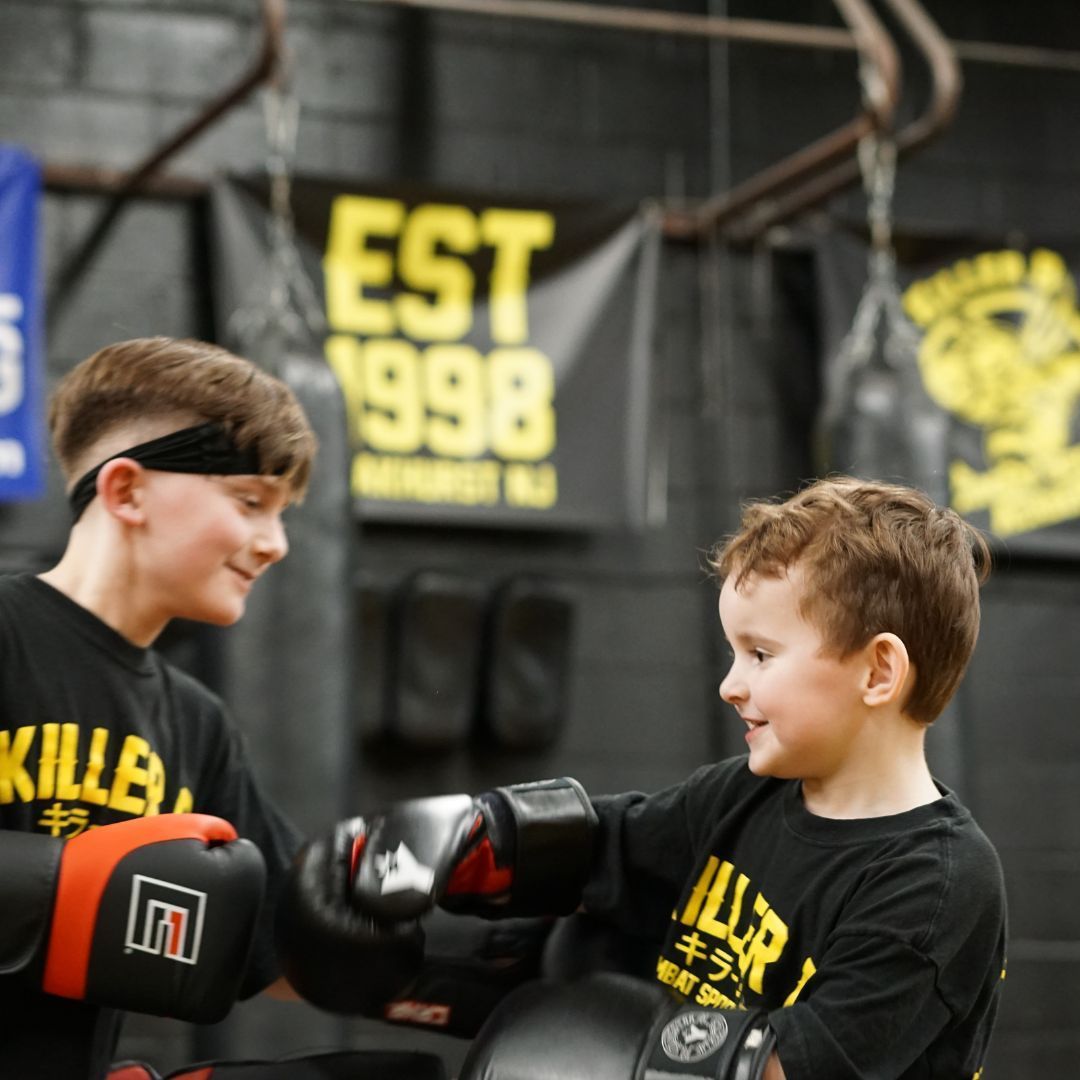
The right class can turn awkward moments into real confidence, one respectful interaction at a time.
Parents often look into Youth Martial Arts for the obvious reasons: focus, fitness, and self-defense fundamentals. But in our experience, the biggest wins can show up in places you might not expect, like how your child speaks up in class, handles a disagreement at recess, or joins a group activity without hovering on the edge.
Kids do not magically wake up with strong social skills. Social confidence gets built through repeated, real interactions, in a setting that is structured enough to feel safe and flexible enough to feel human. That is exactly why Youth Martial Arts can be such a powerful tool for social growth, especially here in Oakhurst where school, sports, and friendships move fast.
Below are five surprising ways we see Martial Arts in Oakhurst support kids socially, not through lectures, but through the way training is designed: partner work, respectful rituals, clear expectations, and steady progress that is earned, not handed out.
Why Youth Martial Arts builds social skills faster than most activities
A lot of kids struggle socially not because they are unfriendly, but because the social world is noisy. There are unspoken rules, shifting friend groups, and pressure to perform. In Youth Martial Arts, our goal is to make the rules clear and consistent, so your child can practice social behavior the same way we practice technique: step by step.
Training gives kids a shared purpose. When everyone is working on the same skill, it becomes easier to talk, cooperate, and connect. Even when a child is quiet, the class naturally pulls participation out of them in small, manageable pieces: a greeting, a quick partner drill, a simple yes coach response, a respectful bow or glove touch.
Research on martial arts participation links training to improved self-control, reduced impulsive reactions, and better behavior overall. Those improvements matter socially because self-control is the difference between reacting and responding, and most kid conflicts come down to that.
1) Respect becomes a habit, not a rule your kid resents
Social skill shift: kids learn how to treat people well even when nobody reminds them
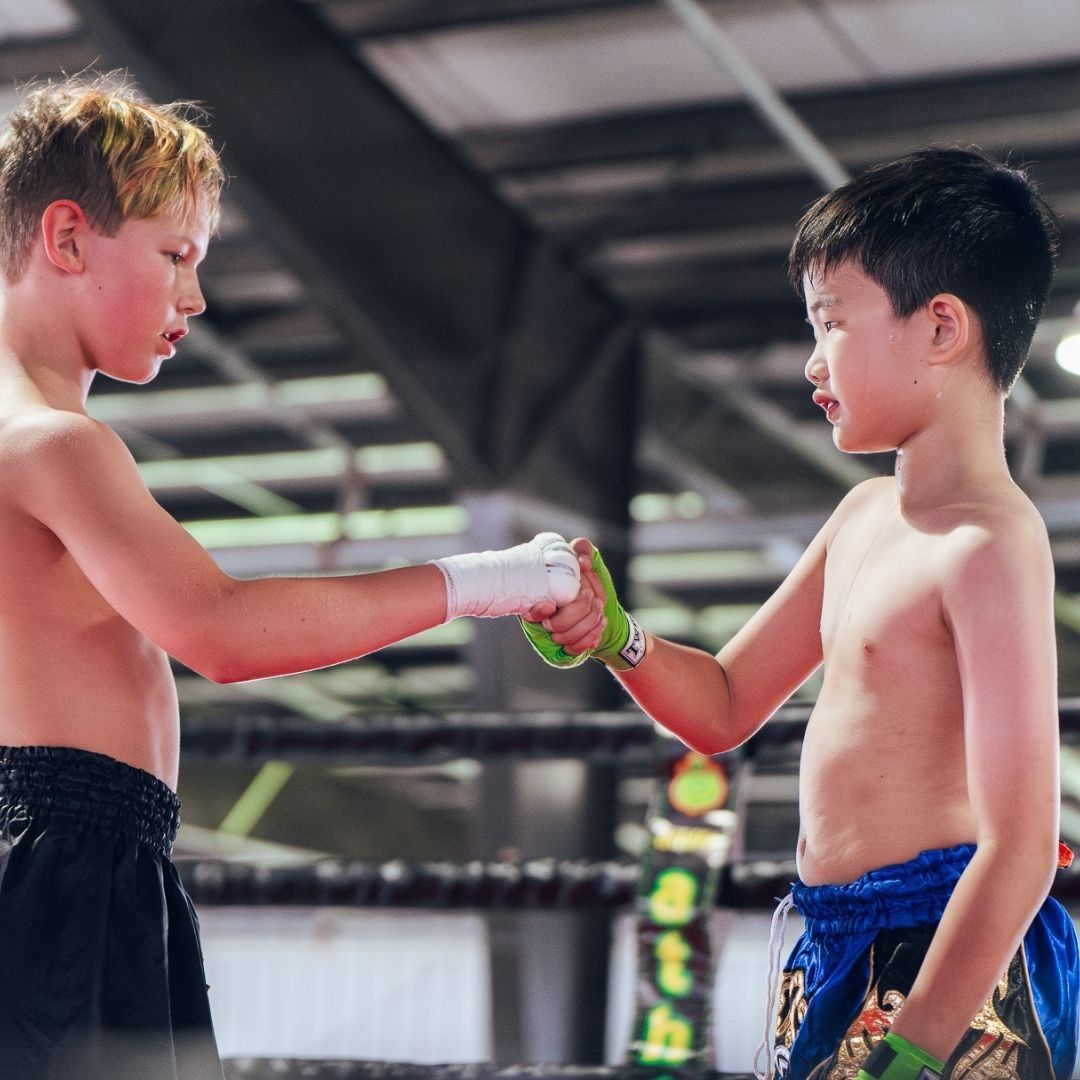
Respect in martial arts is not just a poster on the wall. It is built into the rhythm of class. Kids greet instructors, acknowledge training partners, and learn simple courtesies that sound small but land big in real life: looking someone in the eye, listening without interrupting, saying thank you after working together.
Over time, that structure helps kids practice respectful behavior until it is automatic. That matters because social friction often comes from tiny moments: cutting someone off, rolling eyes, refusing to take turns. When your child gets used to respectful patterns in Youth Martial Arts, those patterns tend to follow them into school and home.
We also emphasize respect as a two-way street. Kids learn that respect is not about being silent or scared, it is about being steady and considerate. That balance is where social maturity starts to show.
What you may notice at home Your child starts correcting the tone before you do. Not perfectly, not always, but you might hear a pause, a reset, and a calmer way of speaking. That is a social win, and it usually shows up long before any belt promotion does.
2) Teamwork shows up in a place that looks individual
Social skill shift: kids learn how to cooperate without losing confidence
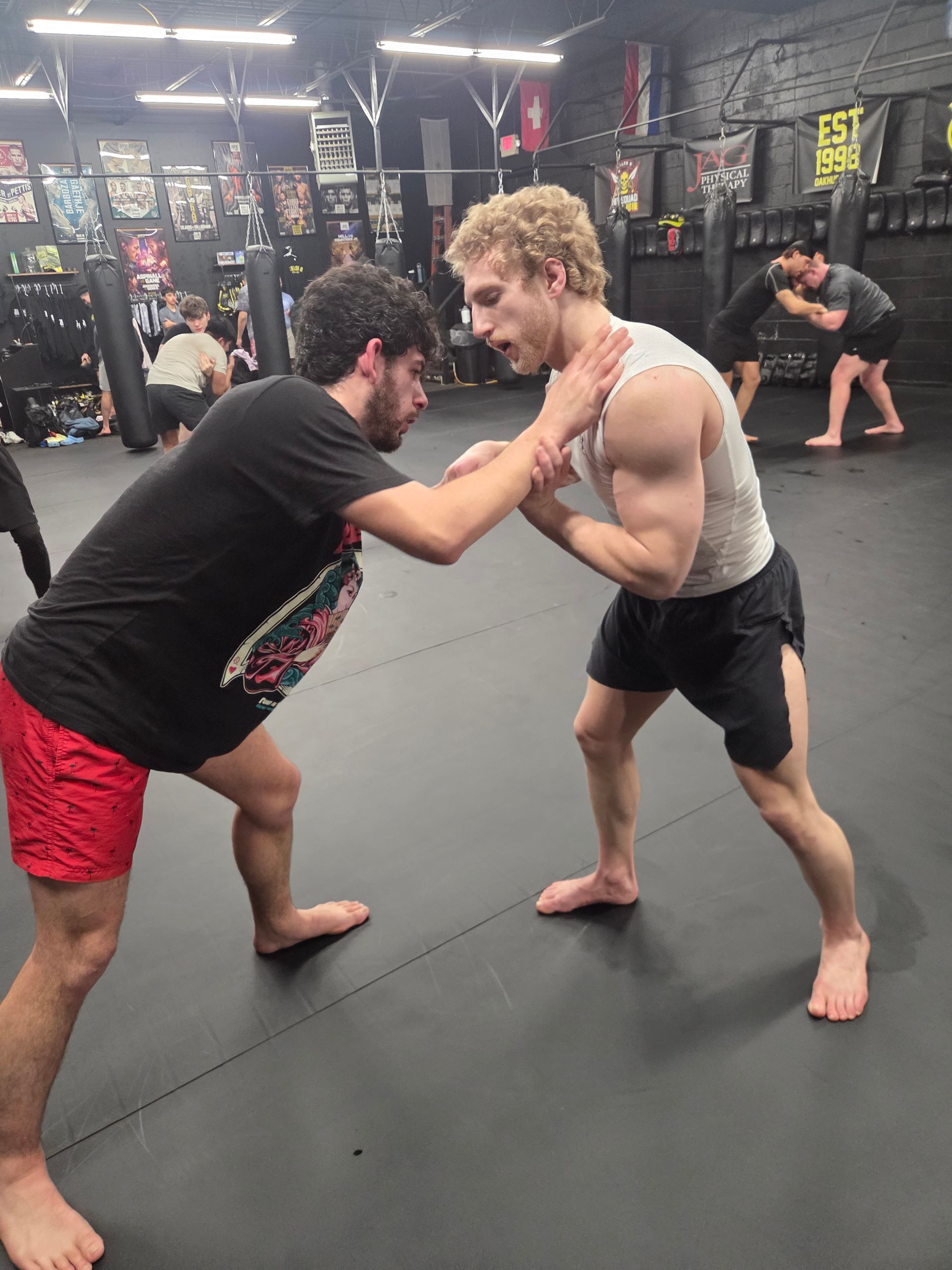
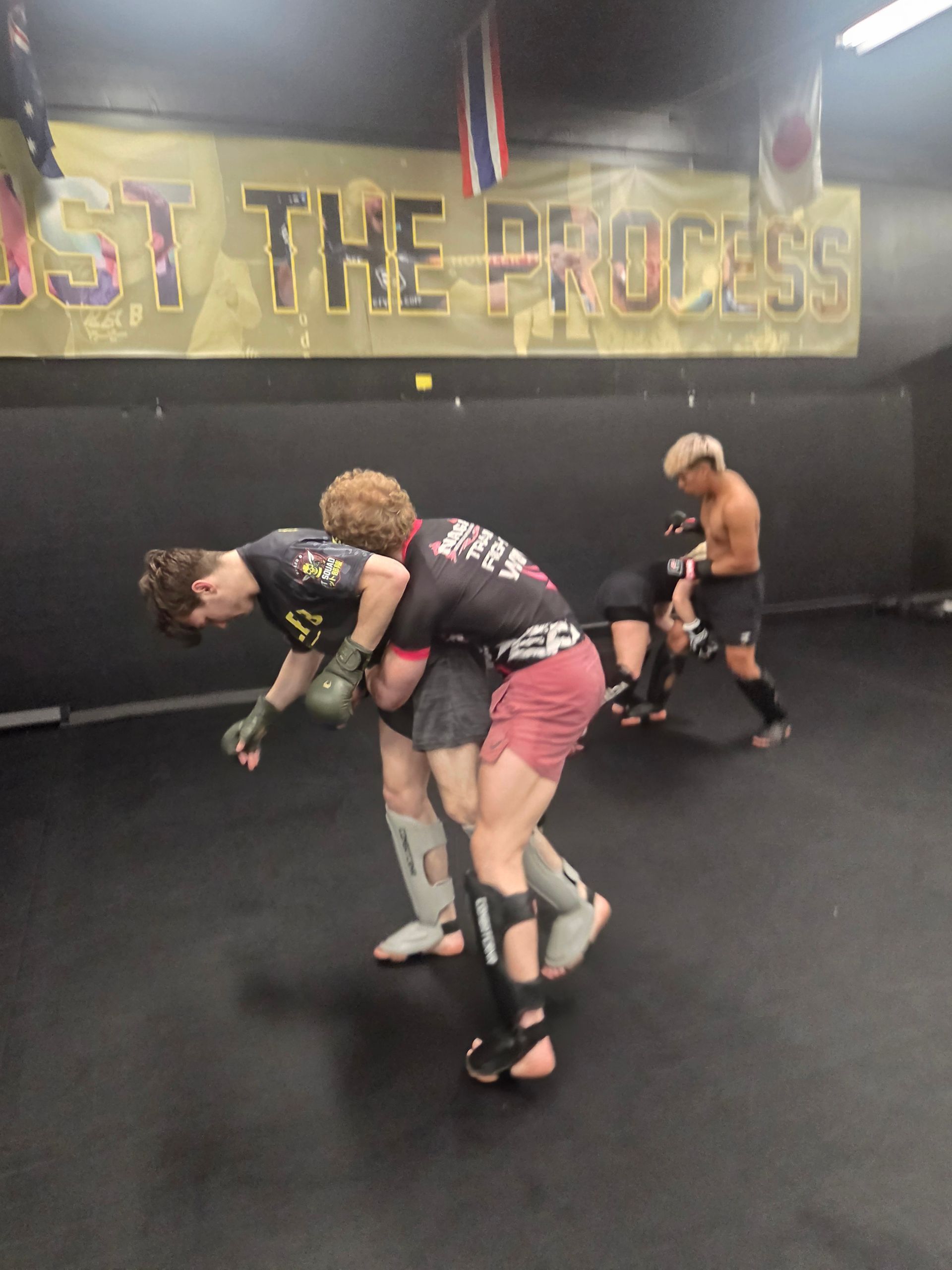
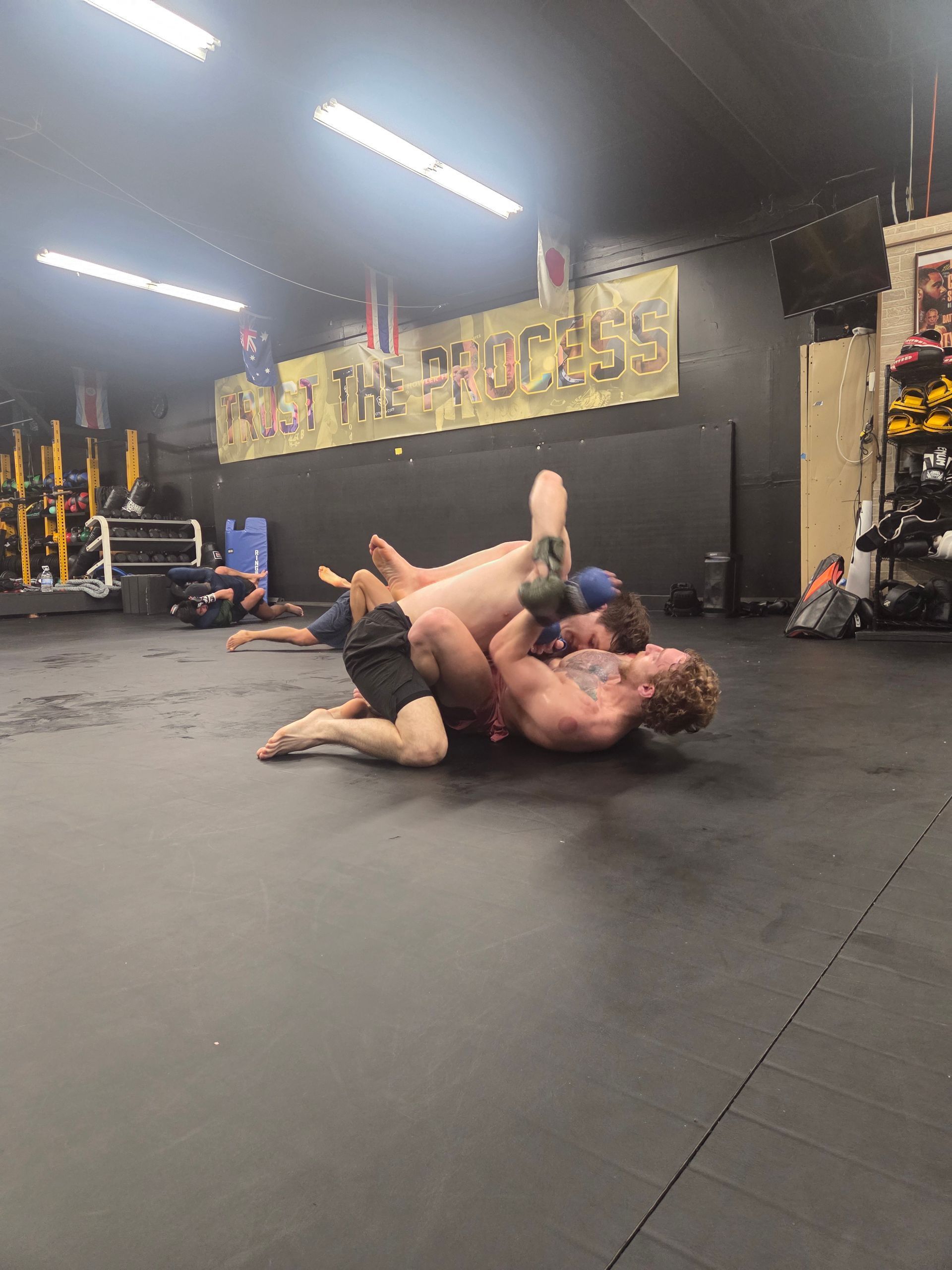
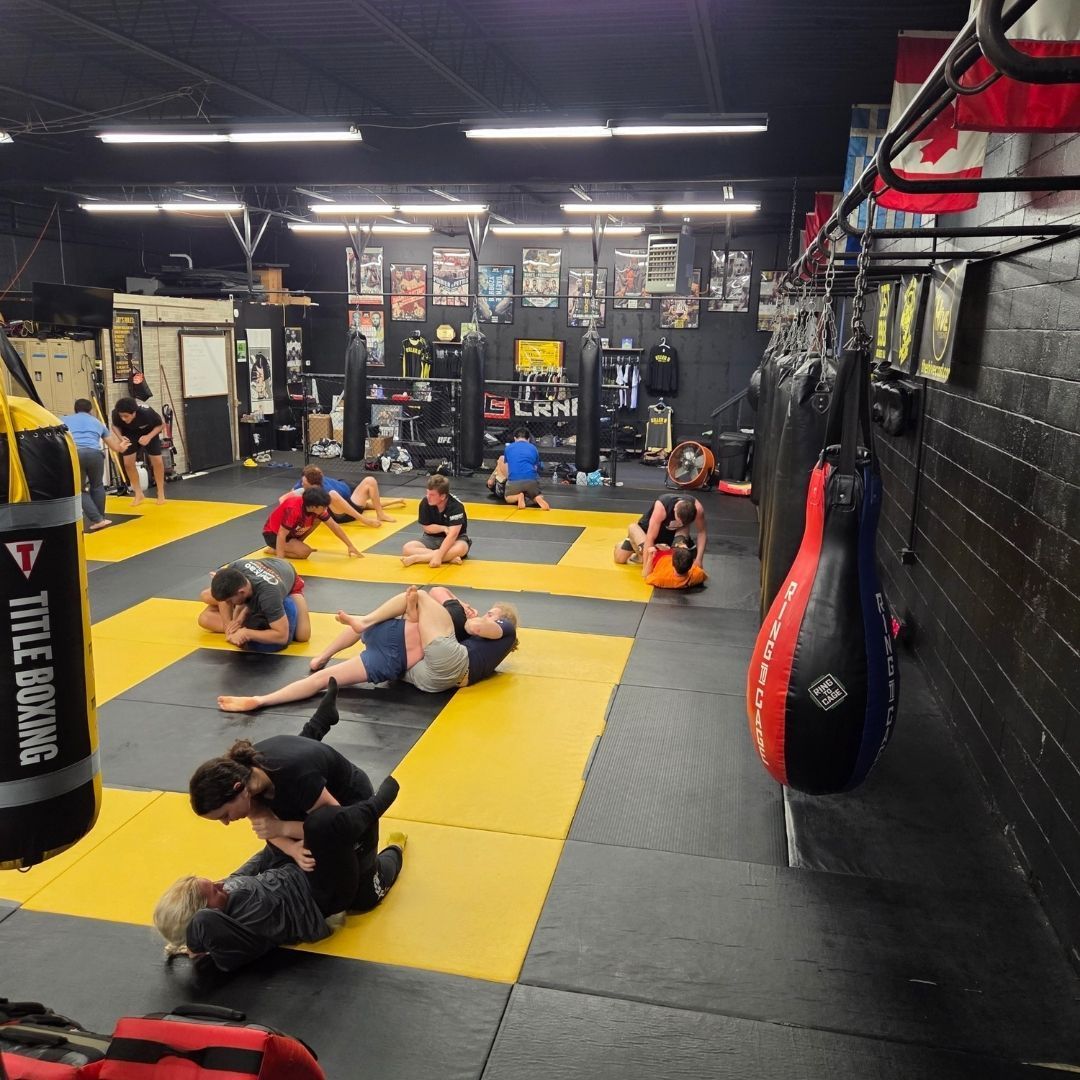
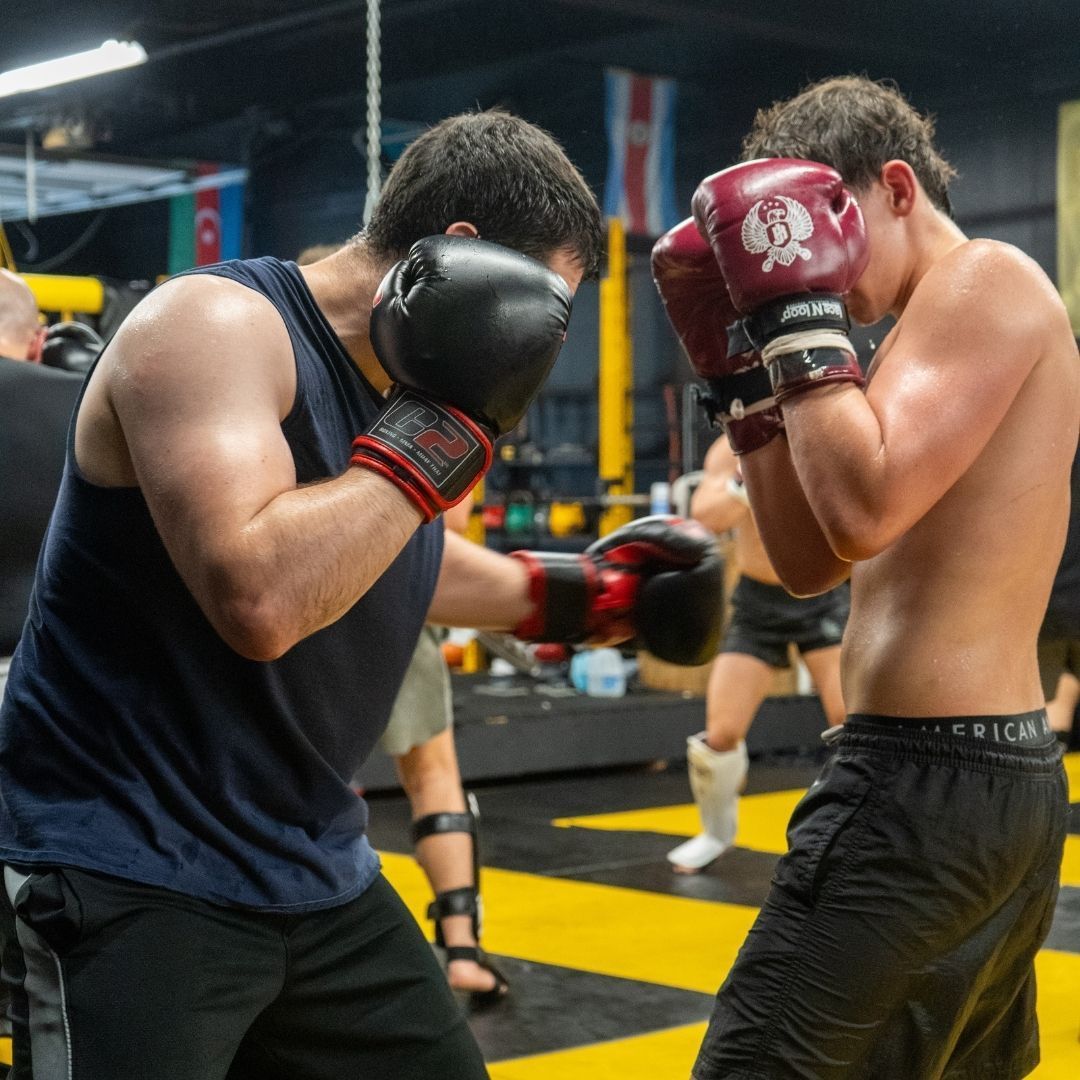
From the outside, martial arts can look like an individual activity. In practice, partner drills, group warmups, and coached feedback create constant opportunities to collaborate. Kids learn to take turns, match pace, and adjust to someone else’s needs without making it weird.
This is where Martial Arts in Oakhurst surprises a lot of families: the kids who struggle in team sports because the environment feels chaotic often thrive here because the teamwork is structured. There is a clear job to do with a partner, and there is a respectful way to do it.
We also see kids learn a useful social lesson: helping someone else get better does not take anything away from you. When your child holds pads correctly, gives a partner space, or offers a quick encouraging comment, that is social leadership in action.
Here are a few teamwork behaviors we intentionally build into class:
Working with different partners so kids learn flexibility and inclusion
Taking turns in drills so nobody dominates and nobody disappears
Practicing controlled contact and safe distance so trust develops naturally
Using simple partner feedback like “good job” or “try again” to normalize encouragement
Holding each other accountable to rules, like stopping on command and resetting safely
Those habits transfer. Group projects at school get easier when your child is used to cooperating with clear roles and calm communication.
3) Confidence becomes social, not just physical
Social skill shift: kids start initiating, not waiting to be invited
A lot of “shy” behavior is really uncertainty. Kids avoid talking because they are not sure how they will be received. Youth Martial Arts helps by giving kids a repeated cycle of effort, feedback, and progress. When your child sees improvement that is earned, confidence becomes grounded and stable.
That kind of confidence changes social behavior. Kids speak a little louder. They raise a hand. They introduce themselves to a new partner without needing you to nudge them. Confidence is not about being the loudest kid. It is about being comfortable taking up an appropriate amount of space.
Studies also connect martial arts achievement with higher self-esteem and better emotional regulation. When a kid can regulate, confidence does not tip into aggression or defensiveness. It becomes leadership potential.
A realistic timeline parents often ask about You may see small confidence shifts within a few weeks: better posture, quicker responses, less hesitation. Bigger social confidence, like making new friends or navigating teasing, takes longer because those situations are more complex. Consistent training helps because it gives kids repeated reps of speaking, listening, and staying composed.
4) Emotional intelligence grows through controlled conflict
Social skill shift: kids learn how to disagree without melting down
Martial arts includes friction, but it is guided friction. Kids learn how to handle losing a round, making a mistake, or getting corrected in front of peers without spiraling. That is emotional intelligence, and it is one of the most underrated benefits of Youth Martial Arts.
In class, kids practice reading body language and tone. They learn when to go harder and when to ease up. They also learn that boundaries are normal: stop means stop, and resetting is part of training. Those are healthy relationship skills.
We also coach kids through conflict in a simple, repeatable way. Not a big speech, just a quick process that keeps emotions from running the show. A lot of families tell us this is what helps most with sibling conflicts and school drama.
A basic conflict-resolution framework we reinforce looks like this:
1. Pause and breathe before responding 2. Use a clear voice and simple words, not insults 3. Follow the rules of the environment, even when frustrated 4. Ask for help from a coach or adult when you cannot solve it safely 5. Reset respectfully and rejoin the group instead of sulking on the sidelines
Because kids practice this under pressure in training, it becomes more available in real life. That is the point.
Research also links martial arts participation to lower anxiety and depression in adolescents, which matters socially because anxious kids often withdraw. A supportive training environment can help kids feel more connected and less isolated.
5) Kids find belonging without needing to perform
Social skill shift: friendships form naturally because everyone is improving together
For many kids, the hardest part of social life is feeling like you have to be a certain version of yourself to be accepted. One of the most surprising outcomes we see in Martial Arts in Oakhurst is how quickly kids start to feel like they belong. The shared culture helps. Everyone is learning. Everyone is correcting something. Everyone is working through nerves at some point.
That sense of belonging matters because social skills are easier to practice when your child feels safe. When kids feel safe, they take more healthy risks: trying a new drill, talking to someone new, asking a question out loud.
A strong program also creates mentorship opportunities. Younger kids see older students modeling calm behavior and respectful confidence. Teens often gain leadership experience by helping keep the room organized, setting the tone, and supporting new students who are still figuring things out.
This is one reason Youth Martial Arts in Oakhurst can be such a steady anchor during school transitions. New grade, new peer group, new pressures, but training stays consistent. That consistency is social oxygen for a lot of kids.
How to tell if a Youth Martial Arts program is helping your child socially
Parents sometimes expect instant extroversion. That is not the goal. Social growth looks different for every child, and quiet kids can develop strong social skills without becoming the center of attention.
Instead, watch for these signals:
Your child talks about training partners by name, not just “kids from class”
You hear more respectful phrases, like “excuse me” or “my bad” without prompting
Frustration cools down faster after mistakes, at home and at school
Your child recovers from minor conflicts without needing a long rescue mission
Your child shows pride in effort, not just outcomes
These are the building blocks of real-world social competence. And in Youth Martial Arts, your child gets to practice them repeatedly, with coaching, in a setting built for growth.
Take the Next Step
Building social skills does not require forcing your child into uncomfortable situations and hoping it works out. It requires a structured place to practice respect, communication, and confidence in real time, with guidance and accountability. That is what we aim to provide every day, and it is why our Youth Martial Arts students often grow socially in ways that surprise parents.
If you want Youth Martial Arts in Oakhurst that supports your child’s friendships, emotional control, and leadership alongside physical skill, we would be glad to help you explore what fits best. At Killer B Combat Academy, we keep the process simple, welcoming, and focused on steady improvement.
If you want Youth Martial Arts in Oakhurst that supports your child’s friendships, emotional control, and leadership alongside physical skill, we would be glad to help you explore what fits best. At
Killer B Combat Academy , we keep the process simple, welcoming, and focused on steady improvement.
Experience how consistent training can elevate your confidence by
joining a martial arts class at Killer B Combat Academy.