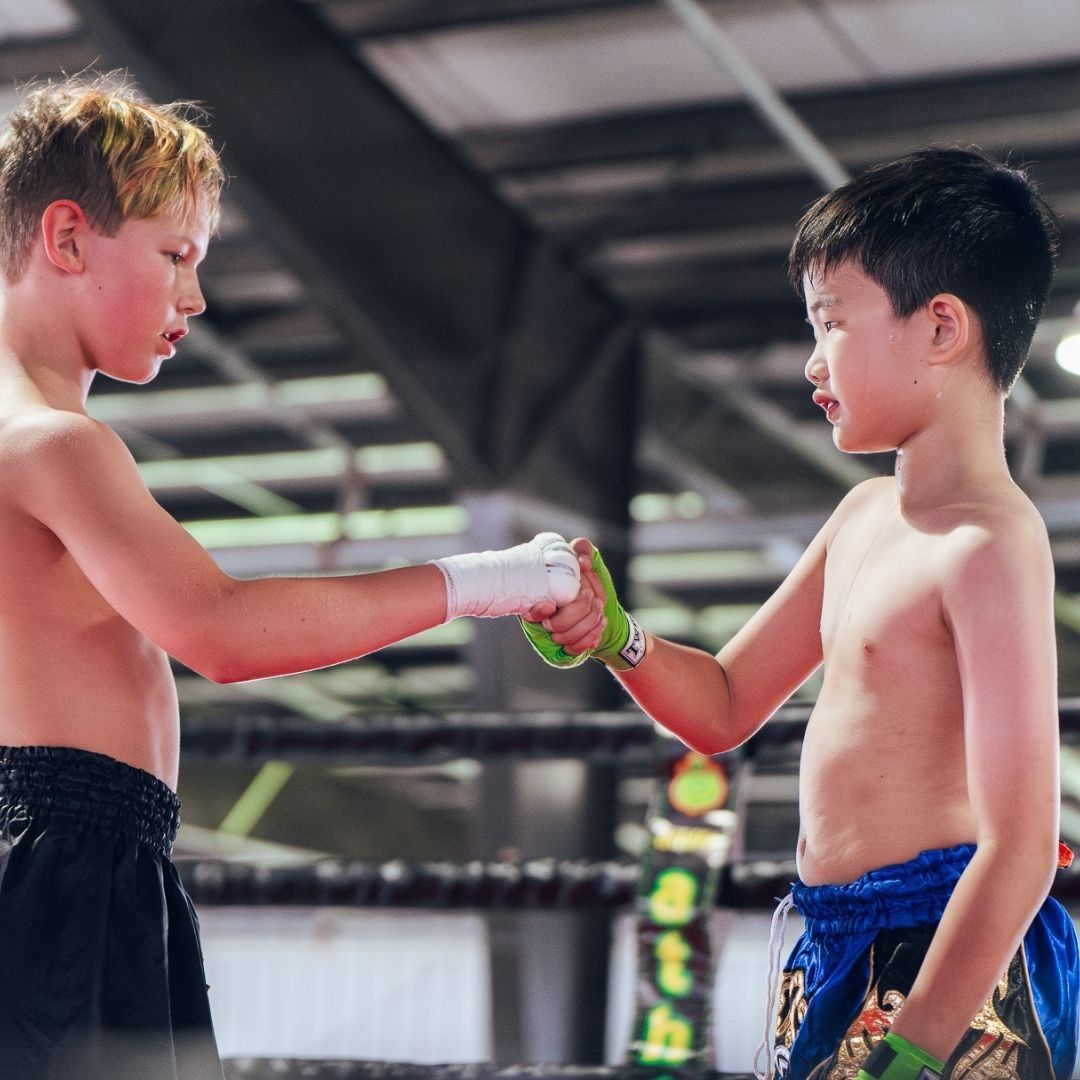
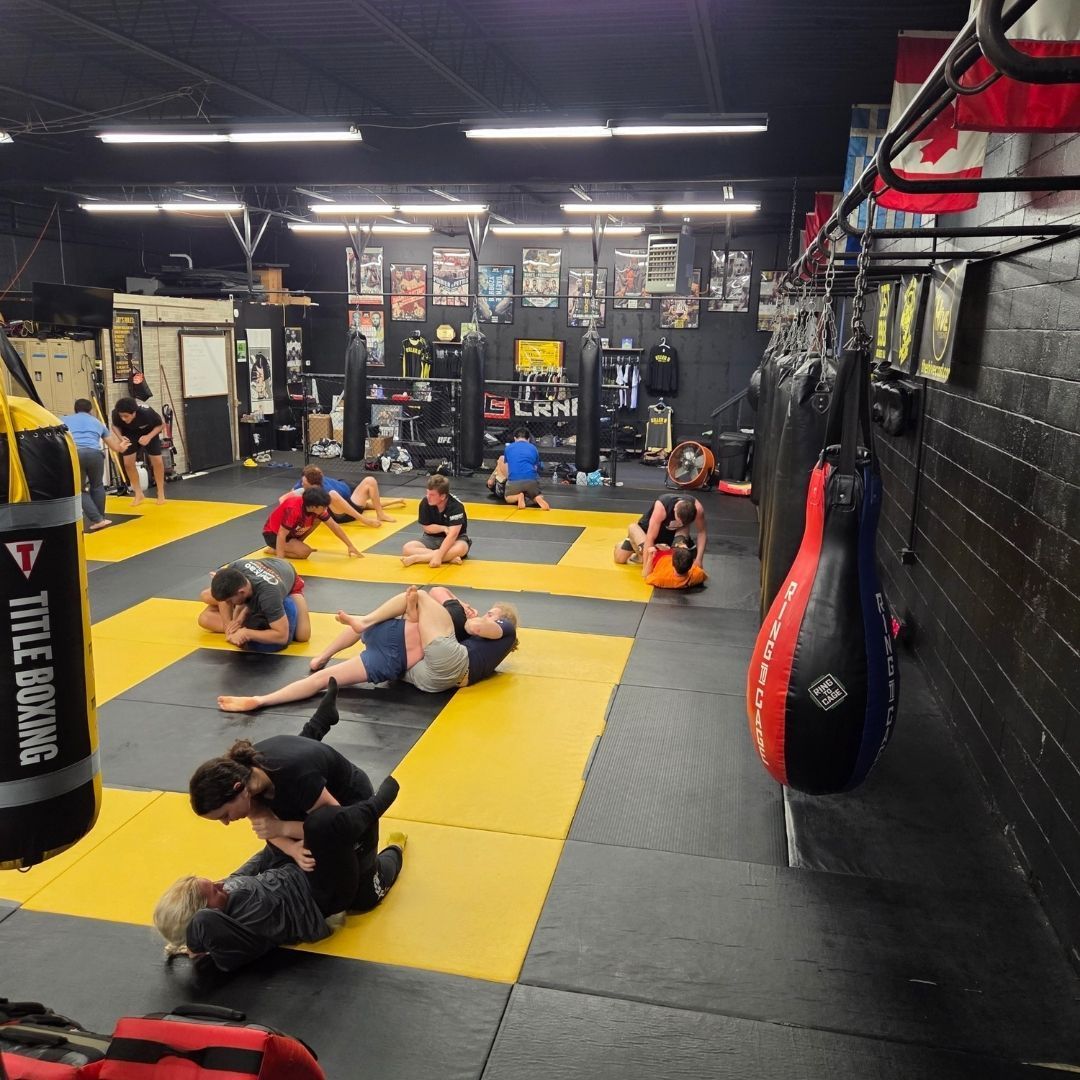
The right Youth Martial Arts program should feel safe, structured, and genuinely fun, while still building real skills you can see at home.
Choosing a Youth Martial Arts program can feel surprisingly high stakes. You are not just picking an after-school activity, you are choosing a place where your child will be coached, challenged, and encouraged week after week. In Oakhurst, families often tell us they want the same core things: confidence that does not turn into attitude, discipline that does not feel harsh, and training that is safe for growing bodies.
We also know what you are probably balancing on your end: school, sports, homework, dinner, and a schedule that already feels full. So the program has to be worth it. The good news is that Youth Martial Arts has become one of the most popular youth activities in the country, with roughly 4 million kids training nationwide and about half of all martial arts students under 18. That growth is not random. Families stick with it when the coaching is solid and the progress is real.
This guide walks you through how we recommend parents evaluate Youth Martial Arts in Oakhurst, what a strong program should include, and what to look for in the first few classes so you can feel confident about your decision.
Why Youth Martial Arts works so well for kids right now
Youth Martial Arts is not new, but the way families use it has evolved. Nationally, enrollment has been rising steadily again after the pandemic, and more girls are joining than ever, now commonly 30 to 40 percent of youth rosters. We see that shift in the day-to-day energy of classes: kids want skill-building, but they also want community and a place where they feel included.
There is also a practical reason parents keep coming back to martial arts as an option. It bundles multiple goals into one activity: movement, coordination, listening skills, emotional control, and confidence under pressure. When teens are surveyed nationally, most report health benefits from training, and many describe it as a meaningful part of their social life. That matches what we see locally in Oakhurst. Kids want a place where they can belong and improve at something that is measurable.
If your child struggles with focus, tends to quit when things get hard, or needs a healthier outlet for stress, Youth Martial Arts can be a steady, supportive answer. Not magical, but steady.
Start with safety: what it should look like in a youth class
Safety is usually the first question, and it should be. The safest youth programs share one trait: progress is earned in layers. We do not throw beginners into intensity just to make class look exciting. We start with fundamentals, rules, and control.
A well-run youth class should include clear structure from the moment kids step on the mats. That means warmups that match age and ability, technique practice that is supervised, and contact that is introduced gradually, if it is introduced at all for younger ages. For many kids, the first phase should be non-contact or very light-contact with strict boundaries.
Here are safety markers we encourage you to look for during a visit: - Coaches actively scanning the room, correcting form, and preventing rough behavior before it escalates - Drills that teach falling, balance, and body control before any partner work gets faster - A culture where tapping out, pausing, or asking questions is normal and respected - Clear separation of age groups or experience levels so smaller beginners are not overwhelmed - Clean mats and a simple hygiene routine that everyone follows consistently.
Youth Martial Arts in Oakhurst should feel energetic, but not chaotic. You should be able to tell that the adults are in charge in a calm way.
The age question: what program fits 5 to 12 versus teens?
Kids are not small adults, and teen beginners are not the same as a 6-year-old who still mixes up left and right sometimes. Age-appropriate coaching matters as much as the style itself.
Ages 5 to 7: foundations and confidence
For younger kids, we focus on simple skills that create early wins. Stance, balance, coordination, basic strikes, and listening cues. At this age, the biggest goal is building comfort in class and teaching kids how to follow directions in a group without feeling singled out.
Ages 8 to 12: skills, structure, and responsibility
This is a sweet spot for Youth Martial Arts. Kids can handle more detailed technique and can start connecting effort to results. We add more combinations, partner drills with clear rules, and goal-setting so progress feels tangible. This is also where many parents notice changes at home: better follow-through, calmer reactions, and more confidence in social situations.
Teens: fitness, self-defense, and real-world application
Teens often want training that feels legitimate. They care about whether something works, whether it is challenging, and whether the room respects effort. We keep teen training purposeful: conditioning that builds athleticism, technical work that develops real timing and control, and situational awareness that supports practical self-defense.
MMA, BJJ, and karate style training: what parents should know
Parents sometimes ask whether they should choose MMA, BJJ, or a more traditional karate-style approach. We understand the question, but our view is that what matters most is how the curriculum is taught and how safely it is coached.
A helpful way to think about it is what each training emphasis tends to develop in kids: - Karate-style fundamentals often shine for discipline, basics, and clear progress milestones - Brazilian Jiu-Jitsu style training can build calm confidence, control, and problem-solving under pressure - MMA-inspired training can be great for total-body fitness, coordination, and practical self-defense concepts for older kids and teens.
Nationally, MMA and kickboxing are among the fastest-growing segments, and that popularity is not just hype. Teens like training that feels modern and athletic. Still, for younger kids, we often blend skill-building in a way that prioritizes safety and fundamentals first.
What you should see in the first month of Youth Martial Arts
The first month tells you almost everything. Not about your child’s long-term talent, but about whether the program is set up to help kids succeed.
In week one, kids should learn how class works: where to stand, how to ask questions, how to partner up, and how to reset when they make mistakes. By week two, you should see small improvements in coordination and attention. By week three or four, kids typically start taking ownership: they remember a warmup sequence, they try harder on drills, and they begin to talk about goals.
If the program is a good fit, you will also notice something subtle: your child is tired in a good way. The kind of tired that comes with effort and focus, not exhaustion or stress.
Discipline without harshness: the culture matters
Many parents come to Martial Arts in Oakhurst because they want discipline, but not the kind that relies on fear or embarrassment. We agree. The most effective discipline is consistent, predictable, and respectful.
In our youth classes, discipline looks like routines, boundaries, and accountability. Kids line up, they listen, they practice, and they learn to stay composed. When behavior needs correction, we correct it clearly and move on. Over time, kids internalize those expectations. That is the goal: not perfect obedience, but self-control.
Youth Martial Arts also creates natural moments for character development. Kids learn how to lose a drill and keep going. They learn how to be a good partner. They learn how to handle frustration without melting down. Those are real life skills, not slogans.
Anti-bullying and confidence: what we teach and what we avoid
Parents often ask whether Youth Martial Arts will help with bullying. The honest answer is that it helps most when it is taught as prevention first. We focus on posture, awareness, boundaries, and speaking clearly. We also teach kids how to de-escalate, leave, and get help. Physical techniques matter, but they are not the first tool.
Confidence comes from competence. When kids learn how to move, how to breathe under pressure, and how to handle controlled challenge, they carry themselves differently. That alone can change peer dynamics. We keep it grounded so confidence does not turn into bravado.
Time, cost, and value: how to think about membership realistically
Martial arts is a large industry now, with U.S. revenue in the billions and continued growth projected. That is a sign of demand, but it also means families want clear value. Nationally, many families report average monthly costs around the 150 range, and we know budgets are real. We try to make getting started simple and transparent, and we help you choose a schedule that you can actually maintain.
Value in Youth Martial Arts is not about how many classes you could attend in theory. It is about consistency. Two classes a week done regularly can beat five classes a week that happen for two weeks and then disappear. When you look at the class schedule, choose the times that fit your life, not the fantasy version of your life.
If your household is busy, a hybrid approach can also help. Across the industry, many programs now support a mix of in-person training and at-home resources. We like that trend because it keeps kids connected even when a week gets messy.
A simple checklist to pick the right Youth Martial Arts program for your child
If you want a practical way to decide, use this short checklist during your first visit and your child’s first classes:
1. Your child understands the rules and feels safe, even if feeling nervous at first
2. Coaches correct technique and behavior calmly, without yelling as the default
3. The class has structure: warmup, technique, drilling, and a clear wrap-up
4. Training is age-appropriate, with contact introduced only when kids show control
5. You can see a path for progress, whether through skill goals, curriculum levels, or measurable milestones
6. The schedule feels doable, and the membership options make sense for your family
If most of these points are true, you are in a good place to commit and let the process work.
Ready to Begin with Killer B Combat Academy
Choosing Youth Martial Arts in Oakhurst should feel like a confident, informed decision, not a gamble. When your child trains in a structured program with patient coaching, clear safety standards, and real progress markers, you get more than kicks and punches. You get better focus, steadier confidence, and a healthier outlet week after week.
That is the experience we build every day at
Killer B Combat Academy . If you want to see how our approach fits your child’s age, personality, and goals, we would love to welcome you in, show you the class flow, and help you pick a realistic schedule you can stick with.
Curious about martial arts training?
Join a class at Killer B Combat Academy and learn from the ground up.