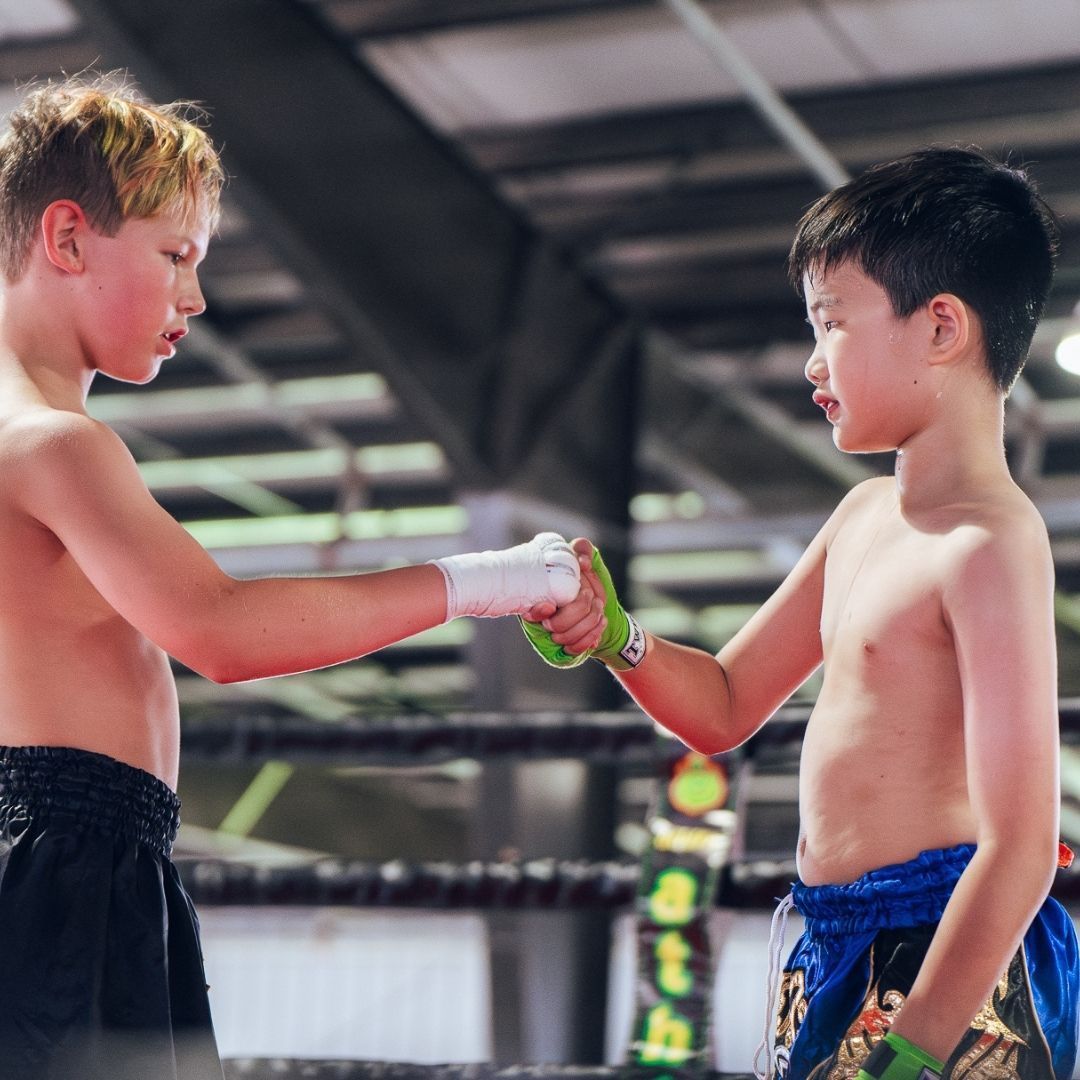
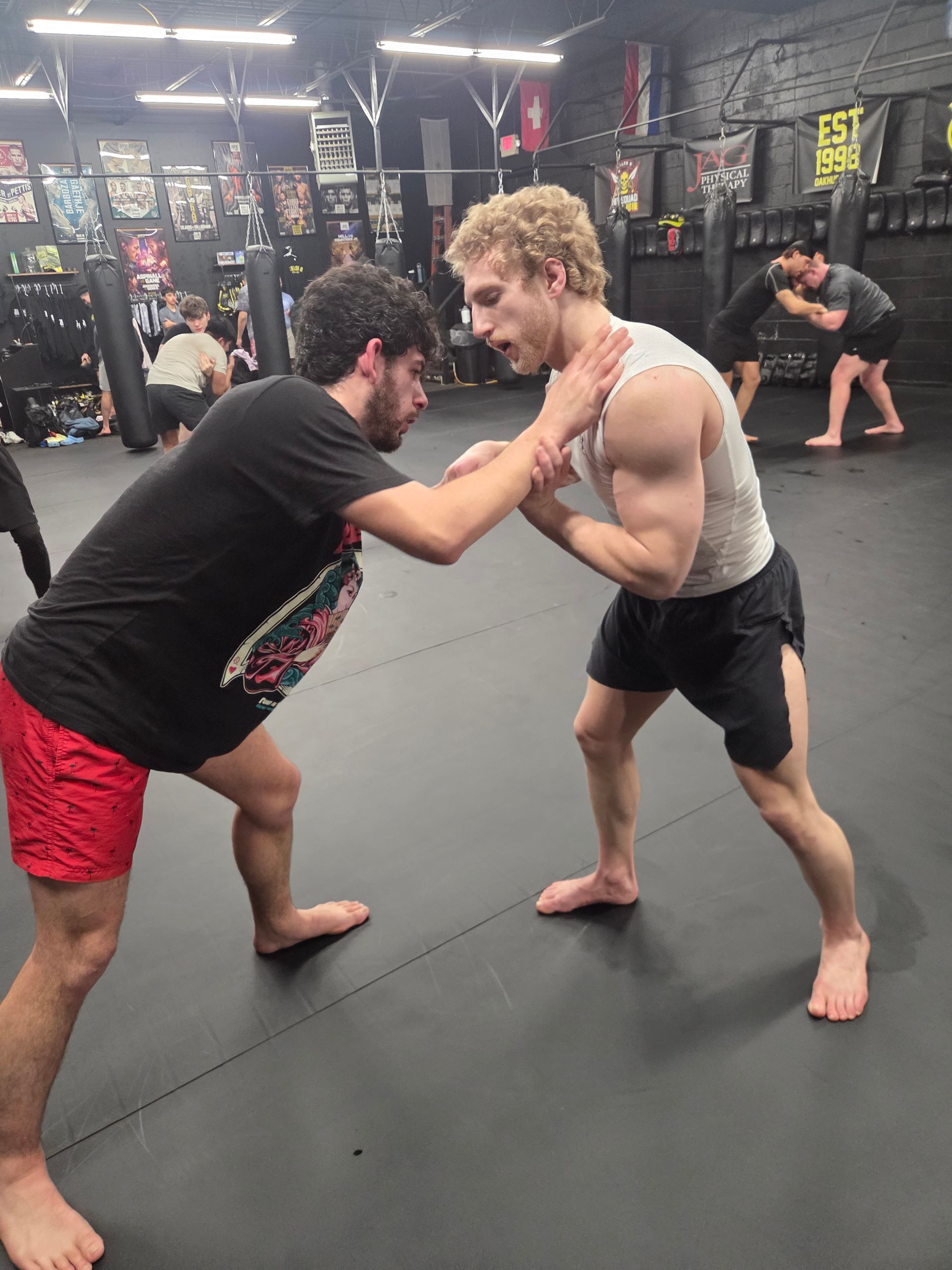
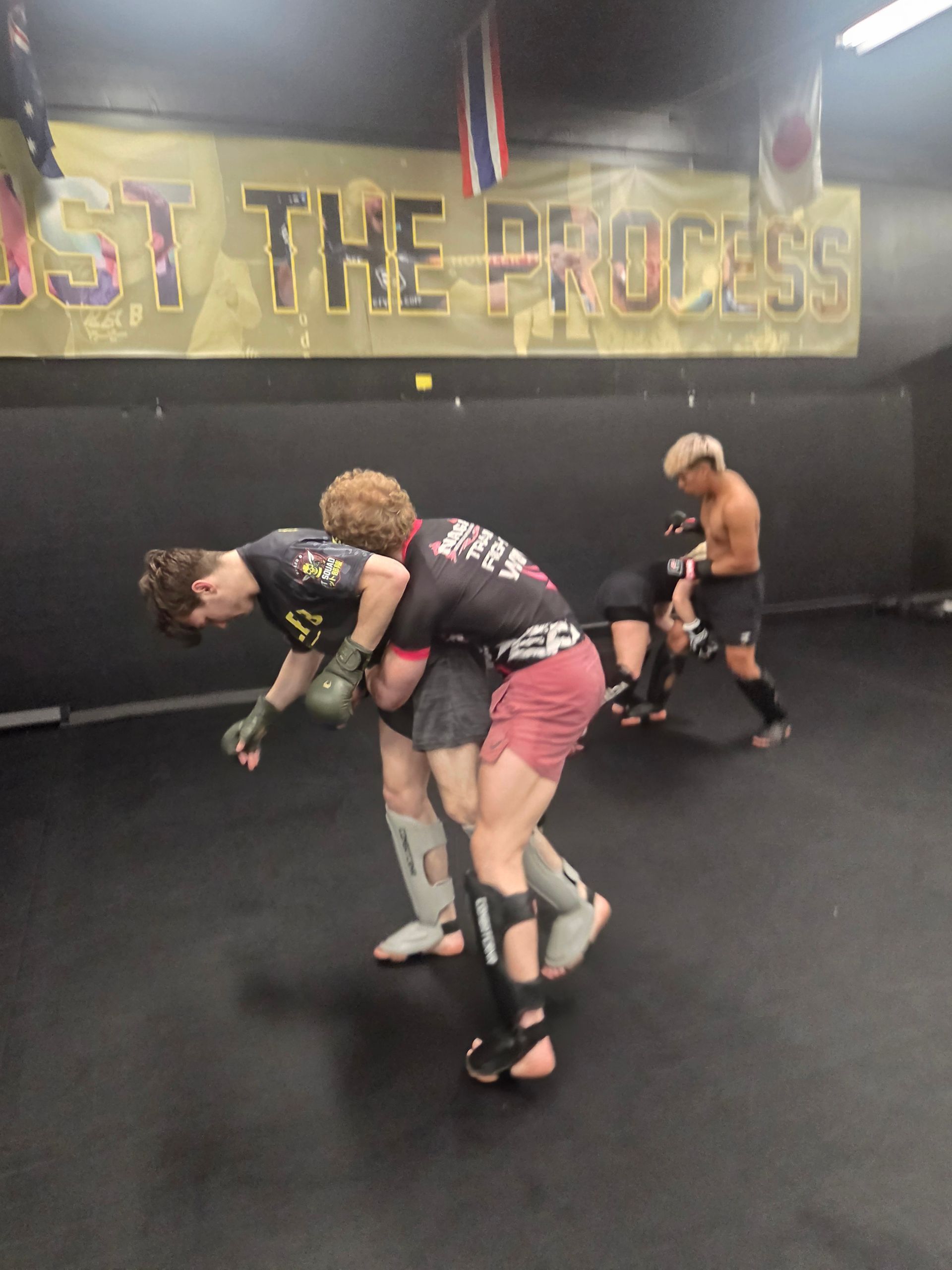
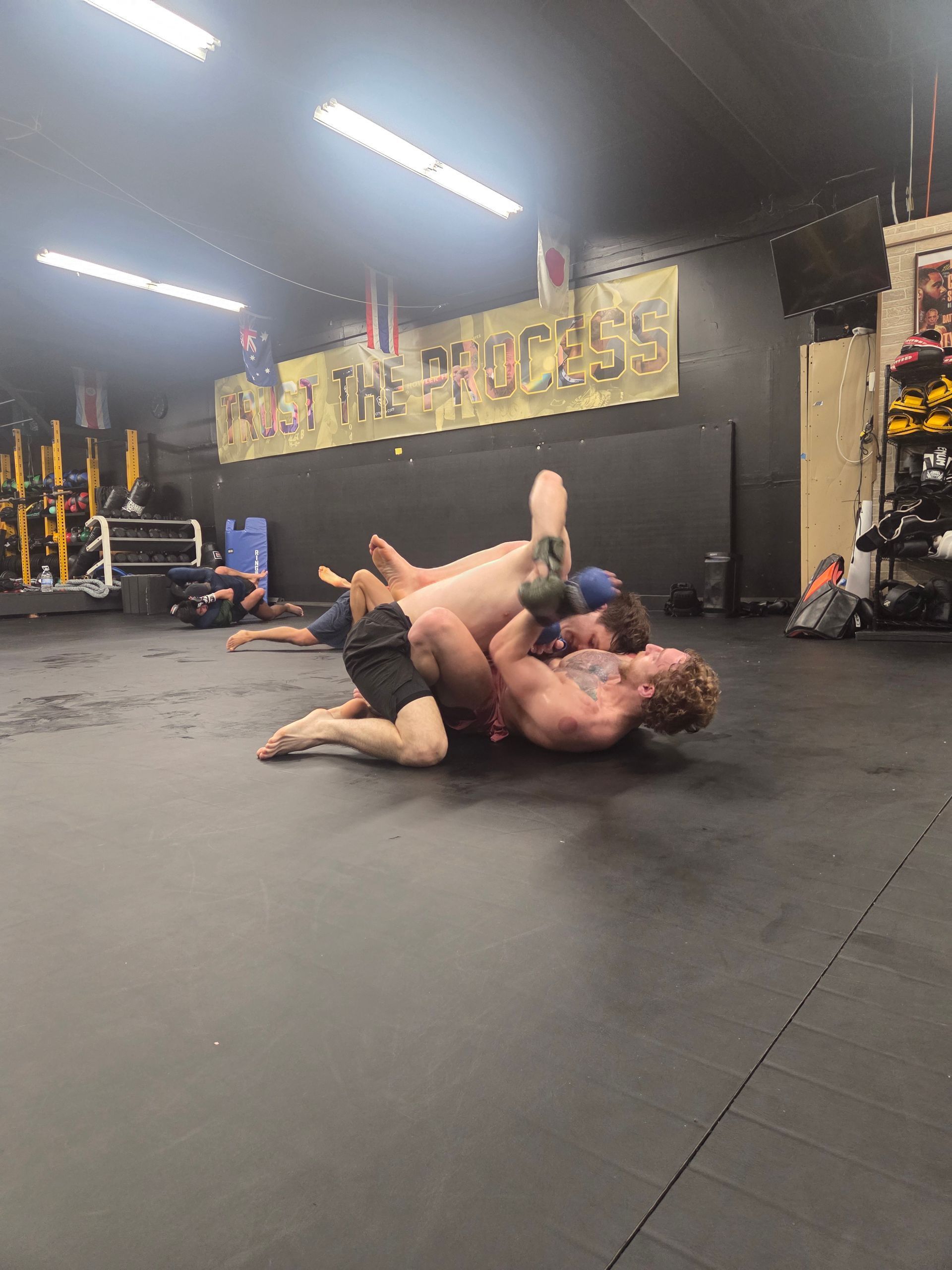
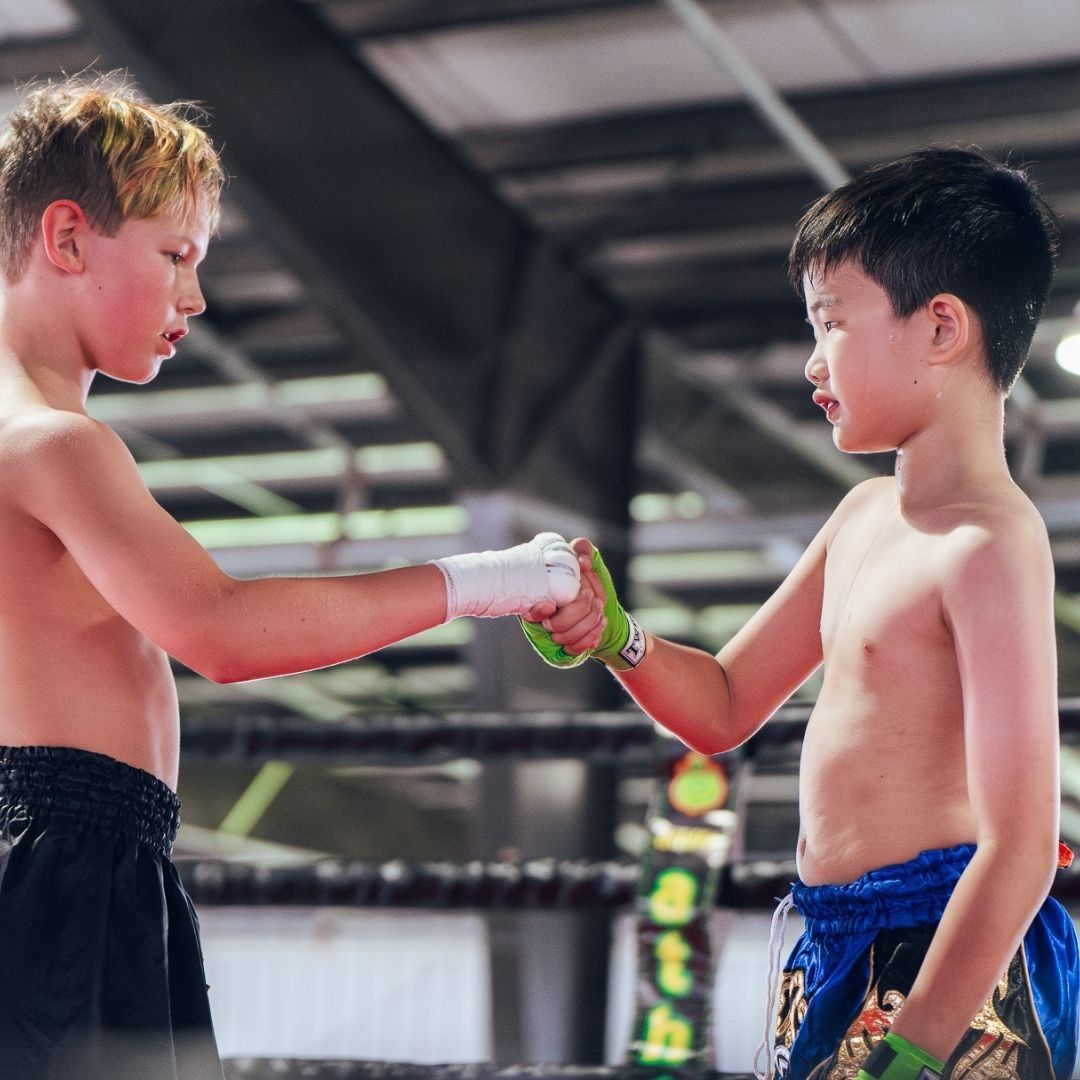
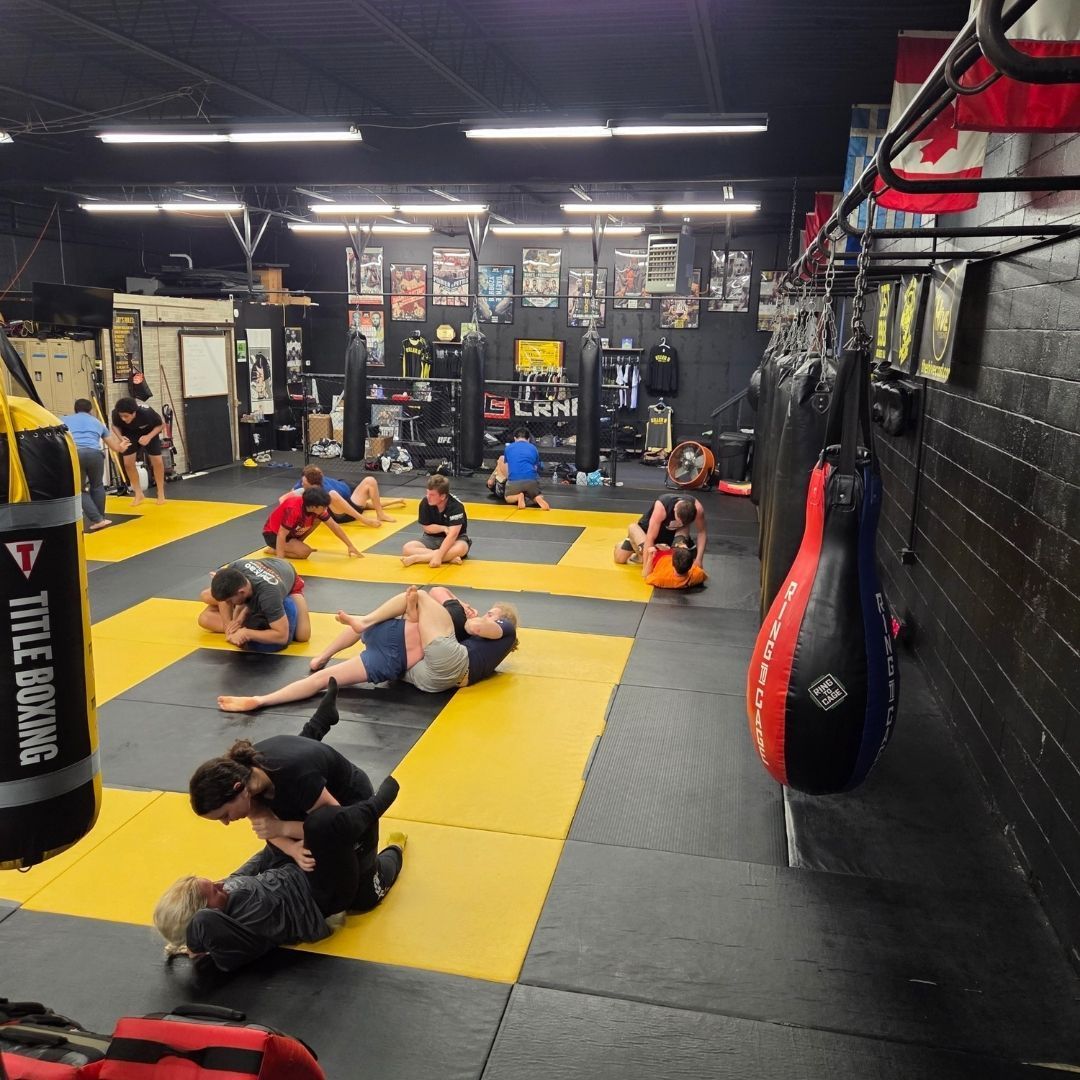
When kids learn to control their bodies, they start learning to control their choices, too.
Youth Martial Arts is bigger than most people realize, and it keeps growing for a reason. About half of U.S. martial arts students are under 18, which works out to roughly four million kids training nationwide. Parents do not just sign up for kicks and punches, either. Most families are looking for something deeper: respect at home, focus at school, and the kind of discipline that sticks even when nobody is watching.
Here in Oakhurst, that desire makes a lot of sense. Life is busy, schedules are tight, and kids have a lot coming at them. Our job is to give you a structured place where your child can move, learn, and progress, while also practicing the everyday habits that build strong character. That blend of physical training and personal growth is what Youth Martial Arts in Oakhurst is really about.
We also know you want proof, not slogans. Teens who train often report major benefits beyond the mat, including improved health and stronger social connection, and structured martial arts routines are a practical way to teach respect. When you see a child line up, listen, take correction, and try again, it becomes pretty clear why this works.
Why respect and discipline are the real goals of Youth Martial Arts
People sometimes think martial arts classes are mainly about self-defense skills. We do teach practical techniques, but the foundation is behavioral: how to listen, how to respond, and how to stay calm under pressure. Discipline is not something we lecture about. We build it into the system so your child practices it repeatedly until it becomes normal.
Respect develops the same way. It is shown in small actions: standing tall during instruction, using proper manners, training safely with partners, and taking responsibility for mistakes. Over time, those small actions become your child’s default setting, even outside the gym.
Youth Martial Arts also gives kids a clear framework for growth. Progress feels real because it is earned. That matters for confidence, but it also matters for humility, because advancement comes with higher expectations, not entitlement.
Youth Martial Arts in Oakhurst vs. typical activities: what feels different
We love when kids play sports and stay active. What makes martial arts feel different to many families is the combination of individual responsibility and group structure. Your child cannot “hide” behind a team’s performance. At the same time, nobody is left behind, because class success depends on students helping each other train safely and improve.
In Martial Arts in Oakhurst, families often tell us they appreciate three specific differences:
Consistency: class starts with routines and clear expectations, even on days when kids feel distracted.
Feedback: your child gets direct coaching and immediate chances to apply corrections.
Accountability: rules are not flexible based on mood, and that predictability helps kids settle.
That structure can be a relief, honestly. Kids usually know where the boundaries are, and within those boundaries, they can experiment, learn, and build confidence.
How our class structure teaches discipline without constant nagging
Discipline is easier to learn when the environment does part of the work. Our classes follow a consistent rhythm, so students know what to expect. That predictability helps anxious kids, energetic kids, and shy kids for different reasons, but it helps all of them.
We use drills and skill progressions that reward focus. If a student is rushing, the technique does not work well, so we slow it down. If a student is daydreaming, the timing gets missed, so we bring attention back to the moment. Over time, kids connect cause and effect in a very practical way: focus leads to better results.
We also set age-appropriate responsibilities. For younger students, that may be lining up correctly, responding to instruction, and staying aware of personal space. For teens, it may include higher-level combinations, controlled sparring games, and leadership habits like being a good training partner.
Respect in martial arts: what we mean, and what your child practices
Respect can sound vague until you see it practiced. In our Youth Martial Arts program, respect is an action, not a speech. Students learn to respect instructors by listening and responding quickly, but they also learn to respect training partners by controlling techniques and keeping everyone safe.
That second part matters. Martial arts is one of the few activities where kids can feel powerful while also learning restraint. We coach students to stay composed, avoid reckless contact, and understand that control is the point. The lesson becomes: just because you can do something does not mean you should.
Respect also includes self-respect. When kids experience steady progress, they start taking pride in doing hard things. That pride is different than ego. It is quieter. It looks like showing up, tying the belt correctly, and trying again even after a rough round.
What ages are best to start, and what your child works on first
Most kids can begin Youth Martial Arts between ages 5 and 17, and we adjust training to match developmental stages. Younger kids typically need help with balance, coordination, and attention span. Older kids and teens can handle more complex sequences and more detailed coaching.
Early training is rarely about advanced techniques. The first phase is about building a base:
Body awareness: stance, posture, and movement patterns that prevent sloppy habits
Listening skills: responding to cues, following multi-step directions, and waiting turns
Emotional control: calming down quickly after mistakes or frustration
Safe contact rules: understanding control, distance, and consent in partner drills
Once those are in place, skill building becomes smoother. Kids who learn the basics well usually progress faster later, even if the early weeks look simple.
A realistic look at progress: belts, goals, and motivation that lasts
Kids stay motivated when goals feel clear and fair. Belt systems and ranking milestones can help because your child can see where they are and what comes next. But we treat rank as a tool, not the entire point. The deeper goal is consistency: showing up, training well, and improving week by week.
Here is what we typically see as students settle in:
1. Weeks 1 to 4: learning class routines, basic movement, and how to take coaching 2. Months 2 to 4: noticeable improvements in coordination, focus, and confidence 3. Months 4 to 8: stronger discipline habits, better emotional control, and higher effort in drills 4. Beyond that: leadership qualities start to show, especially in teens and advanced kids
That timeline is not a promise or a gimmick. Some kids progress faster, some take longer. What matters is that the process is steady and measurable.
Safety and confidence: why controlled training works for beginners
Safety is not optional, especially for kids. We design Youth Martial Arts classes to build confidence without intimidation. That includes clear rules, supervised partner work, and appropriate levels of contact. Many youth classes emphasize non-contact or light-contact formats at first, and that approach helps kids learn technique and control before intensity increases.
Confidence grows when your child experiences challenge in a safe setting. A shy student might start by barely speaking, then gradually begins answering loudly during warm-ups. An energetic student might struggle with patience, then learns to breathe, reset, and focus. Those changes are not dramatic movie moments. They are small, real shifts you notice at home.
We also keep communication open with parents. If your child has anxiety, attention challenges, or is brand new to organized activities, we can work with you to make the start feel manageable.
Discipline at home and school: how training carries over
One reason Martial Arts in Oakhurst keeps attracting families is that the benefits travel. When kids practice following instructions in class, they get better at following instructions elsewhere. When they practice respect with partners, they often become more thoughtful with siblings. When they practice persistence through tough drills, homework frustration becomes less of a meltdown and more of a problem to solve.
This is also where teen training can be especially powerful. Many teens report improved health and stronger social connection through martial arts, and that structured community can make a big difference during high-pressure years. The mat becomes a place where effort matters more than popularity, and that is refreshing for a lot of kids.
Family schedules, cost realities, and making training sustainable
We understand that committing to Youth Martial Arts is not just about interest. It is about time, budget, and consistency. Nationwide, families often see monthly training costs around 150 per month on average, and Oakhurst families feel the same economic pressures everyone does. Our goal is to make your training plan realistic, not stressful.
The best results come from steady attendance, not perfection. If your child trains a couple times per week consistently, progress usually takes care of itself. We also recommend using the class schedule page on the website to choose times that fit your routine, because the smoother the logistics, the more likely your child stays with it long enough to see real change.
If you are juggling multiple kids, school events, and work, that matters. We would rather help you build a sustainable rhythm than see you try to do too much and burn out.
What you can expect in a typical youth class
Parents often want to know what actually happens on the mat. A normal class includes movement prep, technical practice, and structured drills that reinforce respect and discipline. The tone is focused but supportive, and we keep kids engaged with clear goals.
A typical class flow includes:
Warm-up and movement skills to build coordination and prevent injury
Technique instruction with step-by-step coaching and corrections
Partner drills that emphasize control, safe contact rules, and teamwork
Conditioning games that reward effort and attention, not just athleticism
A brief wrap-up that reinforces what students learned and what to practice next
This is where Youth Martial Arts feels different than a random activity. Every part of class has a purpose, and kids can tell.
Take the Next Step
If you are looking for Youth Martial Arts in Oakhurst that genuinely prioritizes respect and discipline, we built our programs to meet you there, with structure, safety, and clear progress. You will see your child develop skills on the mat, but the bigger win is what shows up at home and school: better listening, calmer reactions, and more consistent follow-through.
When you are ready, we would love to help you explore what training can look like for your family at
Killer B Combat Academy . The best next step is simple: check the class schedule, try a class, and see how your child responds to a training environment designed to build both character and capability.
See firsthand what makes Killer B Combat Academy special by
joining a martial arts class today.