Youth martial arts is not just an after school activity, it is a way to build calmer minds, stronger bodies, and steadier confidence for everyday life.
In Oakhurst, families want more than something that fills an hour after school. You want your child to move, sweat, and learn real skills, but you also want the intangibles: focus, respect, self control, and the kind of confidence that shows up at school and at home. That is exactly why Youth Martial Arts has become such a powerful fit for kids here.
We see it every week. A student who struggles to sit still starts following directions without constant reminders. A shy kid begins making eye contact and speaking up. A teen who feels stressed finds a place where breathing, structure, and effort replace spiraling thoughts. Youth Martial Arts in Oakhurst works best when it is taught as a full development pathway, not just a collection of moves.
And the research backs up what parents notice. Youth martial arts training is linked to measurable improvements in fitness, including strength, flexibility, balance, aerobic capacity, and healthier body composition compared with non athletes. Studies also connect martial arts participation to better emotional regulation, reduced stress, increased mindfulness, and reduced aggression or bullying related behaviors when training is coached responsibly.
Why Youth Martial Arts resonates with Oakhurst families right now
Oakhurst is a busy suburban rhythm. School, homework, devices, sports, and social pressure can stack up fast, especially for kids who do not have a built in outlet. Martial Arts in Oakhurst has grown because it meets multiple needs at once: movement, mentorship, boundaries, and community.
We build classes around the idea that kids need both challenge and safety. That means structured warmups, clear rules, consistent expectations, and training partners who learn to help each other improve. A child does not need to be naturally athletic to belong here. Your child needs a willingness to try, and we take it from there.
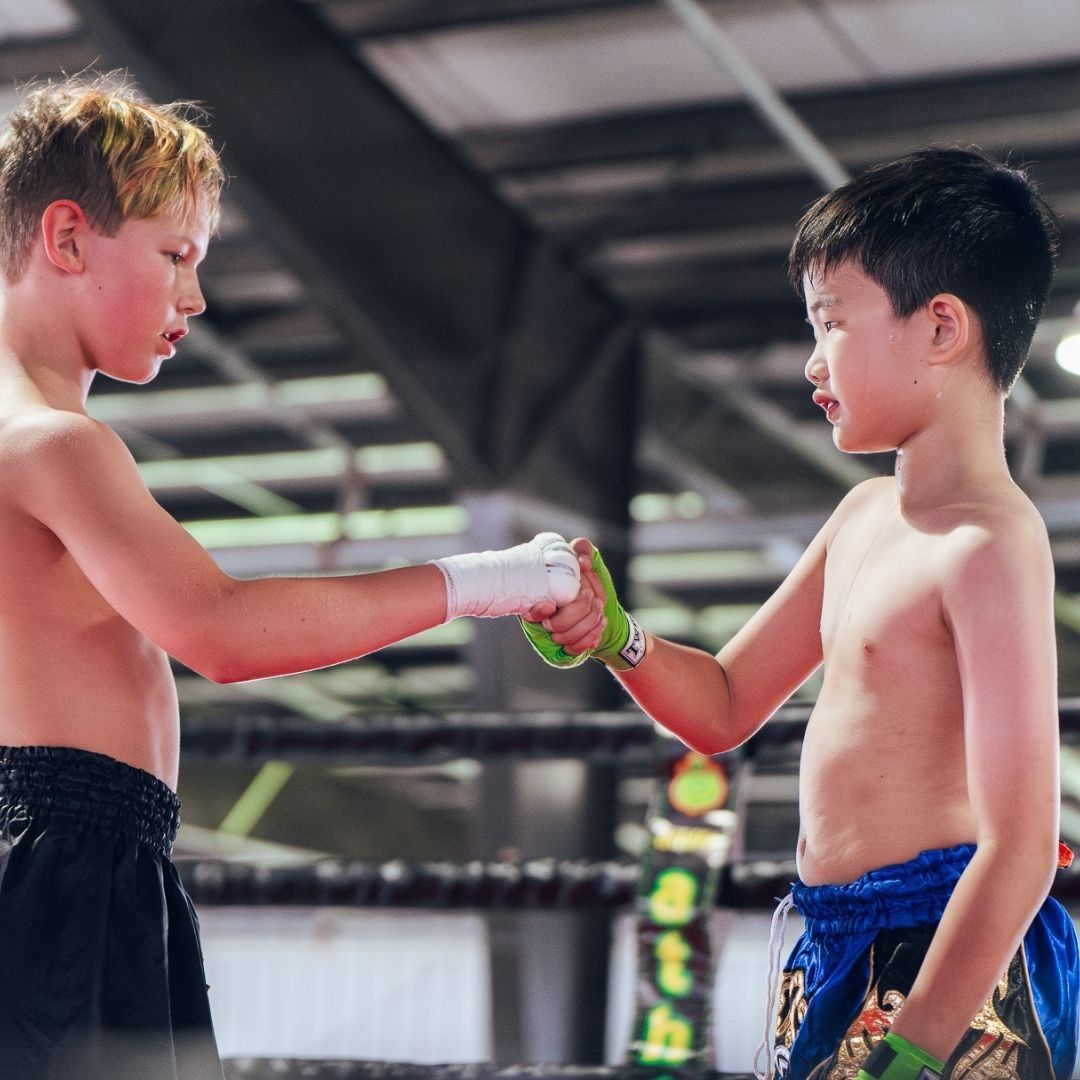
Just as important, our youth environment is designed to reduce the social friction that can happen in other settings. When kids learn how to win and lose with composure, how to be corrected without melting down, and how to treat partners with respect, those behaviors follow them into classrooms, group projects, and even sibling arguments at home.
Physical confidence you can actually see, week to week
When parents think about Youth Martial Arts, the first thing that comes to mind is usually self defense. That matters, but physical confidence starts earlier than that. It starts with coordination, posture, and the ability to move with control.
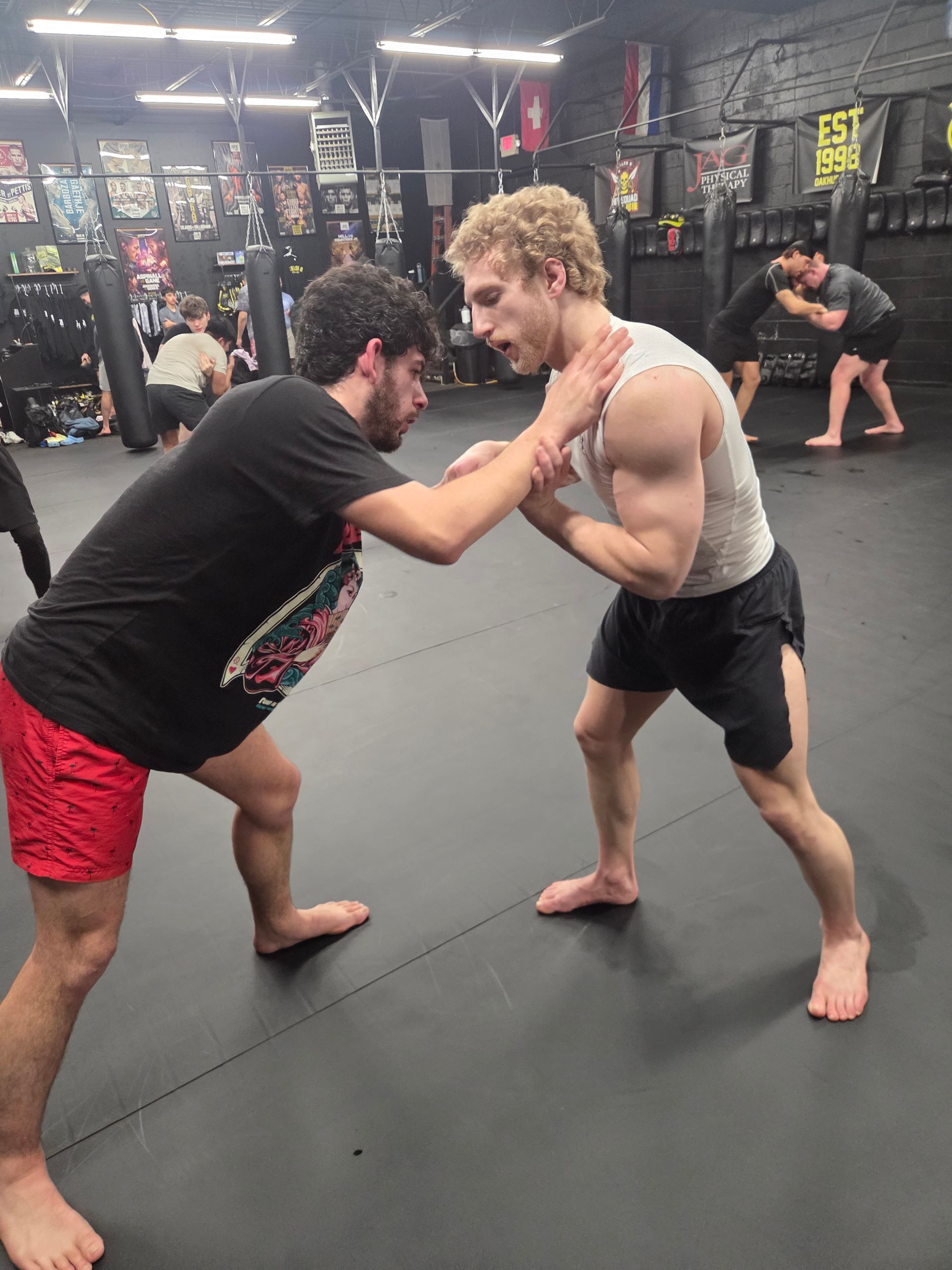
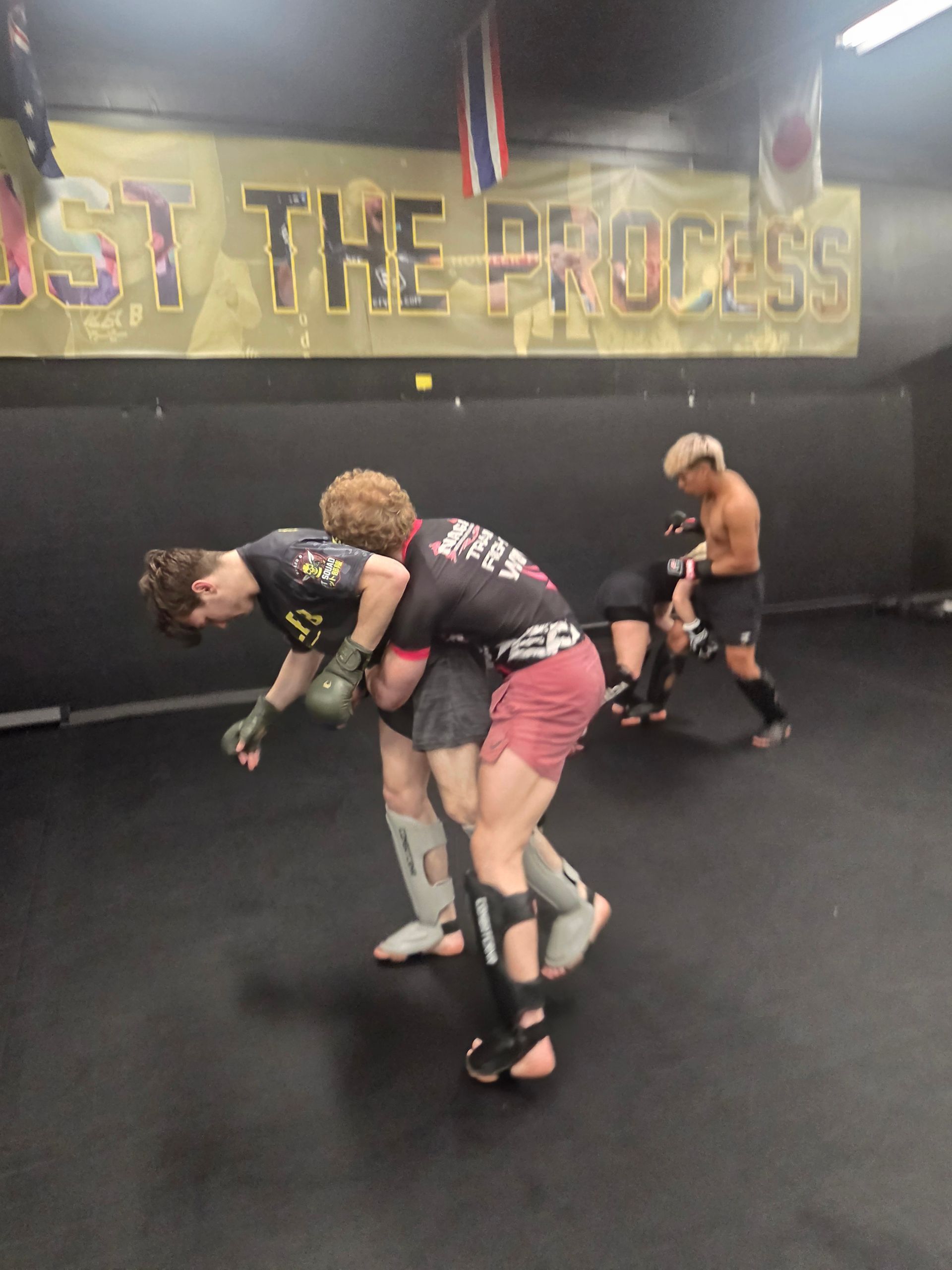
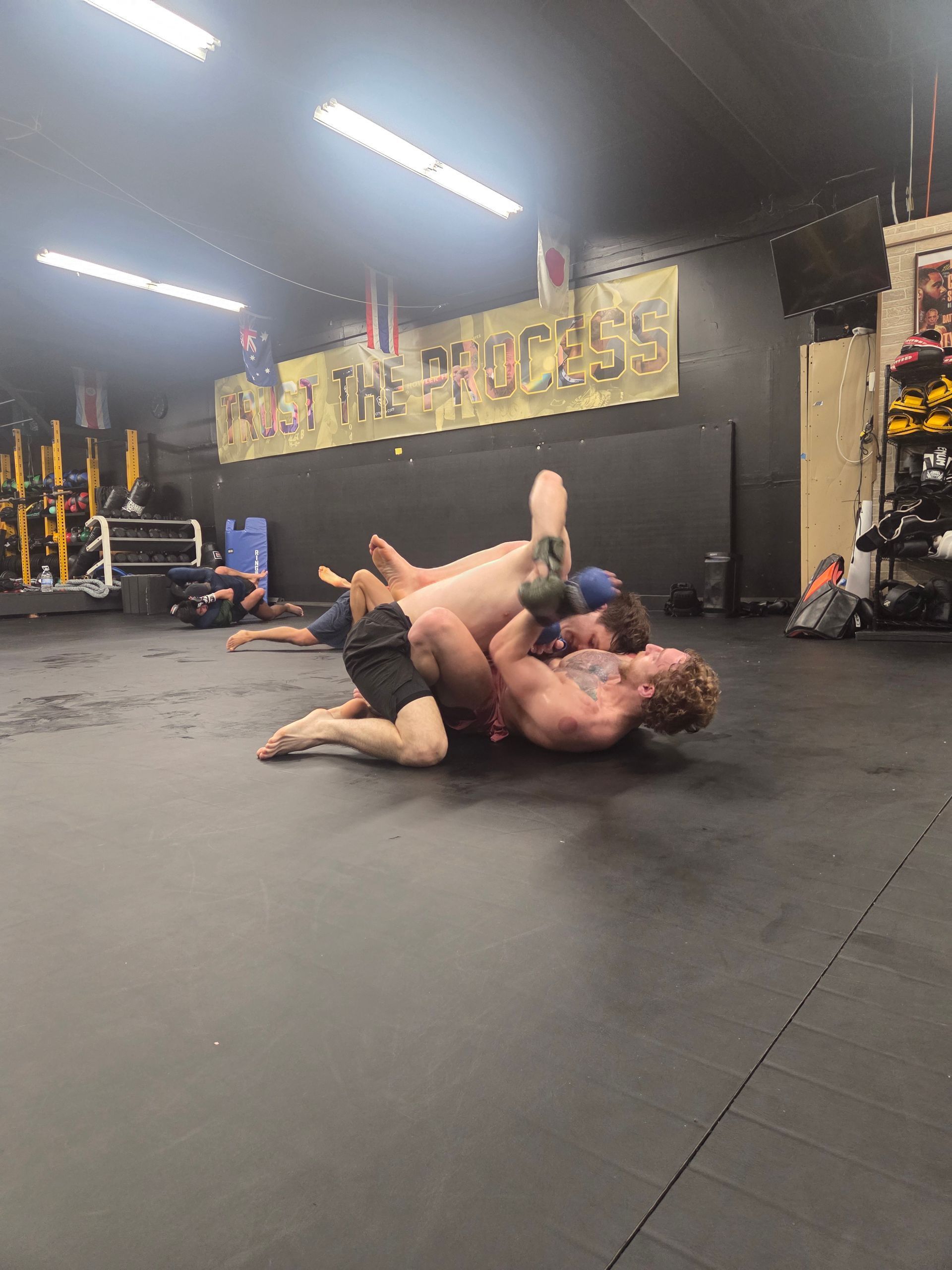
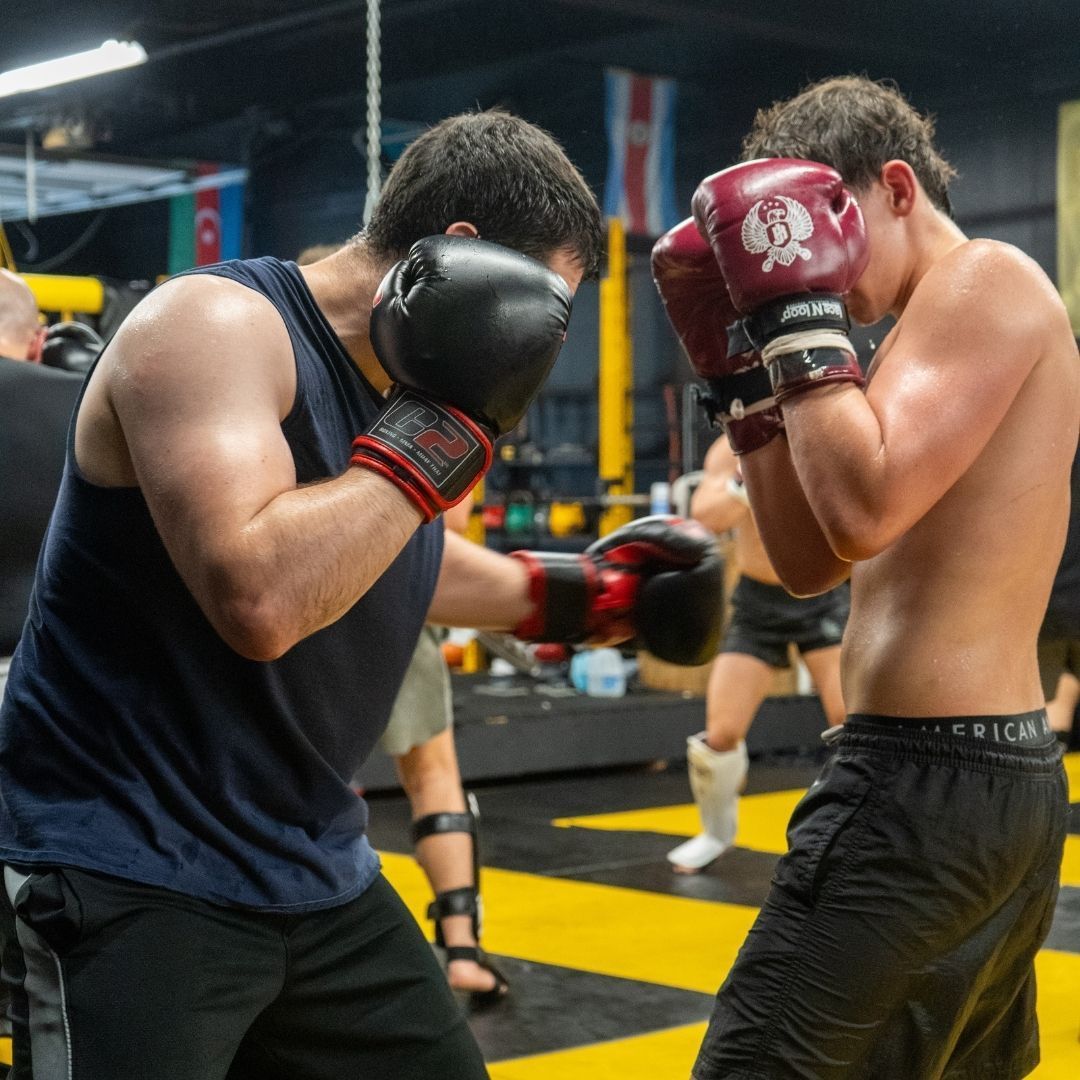
Our training develops foundational athletic qualities in a way that feels fun and purposeful. Punches and kicks involve hip rotation, balance, and core engagement. Grappling based drills build body awareness, strength, and the ability to stay calm under pressure. Even simple stance work teaches posture and stability, which is surprisingly helpful for kids who slump over devices all day.
Over time, many kids show improvements that are easy to spot: - Better stamina during everyday play and sports - Improved balance and fewer awkward falls - Increased flexibility and mobility - Stronger legs and core, especially from kicking mechanics and level changes - More comfort in their body, which often reduces clumsiness and hesitation
We also take safety seriously. Injury risk increases when kids are pushed too hard too fast, especially in competitive settings. Our approach emphasizes proper warmups, age appropriate drilling, controlled contact, and clear supervision so progress stays steady and sustainable.
Discipline that is taught, not demanded
Discipline is a word that gets thrown around a lot, but we treat it as a teachable skill. A child does not show up disciplined. A child becomes disciplined through repetition, coaching, and clear standards.
In class, discipline looks like listening the first time, lining up quickly, staying focused through a drill, and learning to reset after mistakes. We do not expect perfection. We expect effort, and we coach kids on how to bring their attention back when it drifts.
A lot of parents tell us the changes show up at home in small moments. Kids start finishing tasks without as much negotiation. Mornings feel less chaotic. Homework gets done with fewer battles. Those are not magic transformations, and they do not happen overnight, but Youth Martial Arts creates a consistent environment where good habits are practiced several times a week.
Focus and academics: how training carries into the classroom
We do not claim that martial arts is a tutoring program, but we do see how focus training transfers. The ability to follow multi step instructions, manage frustration, and keep working after failure supports learning in any subject.
Training asks kids to do a few hard things repeatedly: - Pay attention to details, like foot placement and timing - Accept correction without taking it personally - Practice a skill even when it feels boring at first - Stay calm when something does not work immediately
Those habits map closely to academic success. Longitudinal research on youth development also links martial arts participation with higher life satisfaction and lower rates of risky behaviors, and many studies highlight improvements in self control and reduced impulsivity. When a student learns to pause, breathe, and choose a better response in class, teachers notice.
Anti bullying skills without turning kids into aggressors
One of the most common questions we hear is whether martial arts really helps with bullying. Our answer is yes, when it is taught with the right values and coaching.
Bullying is complicated. Sometimes it is physical, but often it is social pressure, intimidation, and repeated boundary crossing. Youth Martial Arts gives kids tools on multiple levels. First, posture and presence change. A child who stands tall, makes eye contact, and speaks clearly is less likely to be targeted. Second, kids learn boundaries: what is acceptable, what is not, and how to respond early instead of waiting until a situation explodes.
We also teach emotional control. A bully often wants a reaction. When your child learns to breathe, stay composed, and use a firm voice, the dynamic shifts. And if the situation ever becomes physical, we focus on practical self protection concepts that prioritize safety and escape, not ego.
Importantly, we do not glorify aggression. Research consistently shows that well structured martial arts training can reduce aggression and improve mental health outcomes, especially when programs emphasize respect, self control, and social responsibility. That is the culture we protect in every class.
Emotional regulation and stress relief for modern kids
Kids carry stress differently than adults. Sometimes it looks like irritability, shutdown, defiance, or constant restlessness. Sometimes it looks like perfectionism and worry. Movement helps, but not all movement teaches regulation.
Martial arts training builds regulation into the experience. You learn to breathe during exertion, to keep your mind clear while your body works, and to recover quickly after intense effort. That practice has real psychological benefits. Studies link martial arts participation with improved mindfulness, reduced stress, better self esteem, and resilience.
We also see a quieter benefit that is hard to measure but easy to recognize: training becomes a stable routine. For many kids, knowing that class happens on certain days, with familiar coaches and teammates, is grounding. It creates a dependable rhythm in a world that can feel loud.
Social skills and leadership, built into the mat time
Youth Martial Arts is often more social than people expect. Kids pair up for drills, rotate partners, learn to coach each other, and practice being both leader and learner. That social structure can be especially helpful for kids who struggle with teamwork in traditional settings.
We teach students to be safe partners. That means controlling power, respecting size differences, and checking in. Over time, kids learn empathy in a very practical way: if you get careless, someone else gets hurt, so you learn to care. That lesson sticks.
As students progress, leadership becomes part of the journey. Older or more experienced kids help newer students with simple basics, modeling patience and humility. And for teens, that sense of responsibility can be huge. It is a positive identity: I am someone who shows up, works hard, and helps others improve.
What to expect from our youth program and class schedule
Parents often want to know what a typical week looks like, especially for beginners. We keep it straightforward: consistent training beats occasional bursts of intensity. For most kids, two to three sessions per week is a strong starting point, and classes are typically around 40 to 50 minutes for youth age ranges.
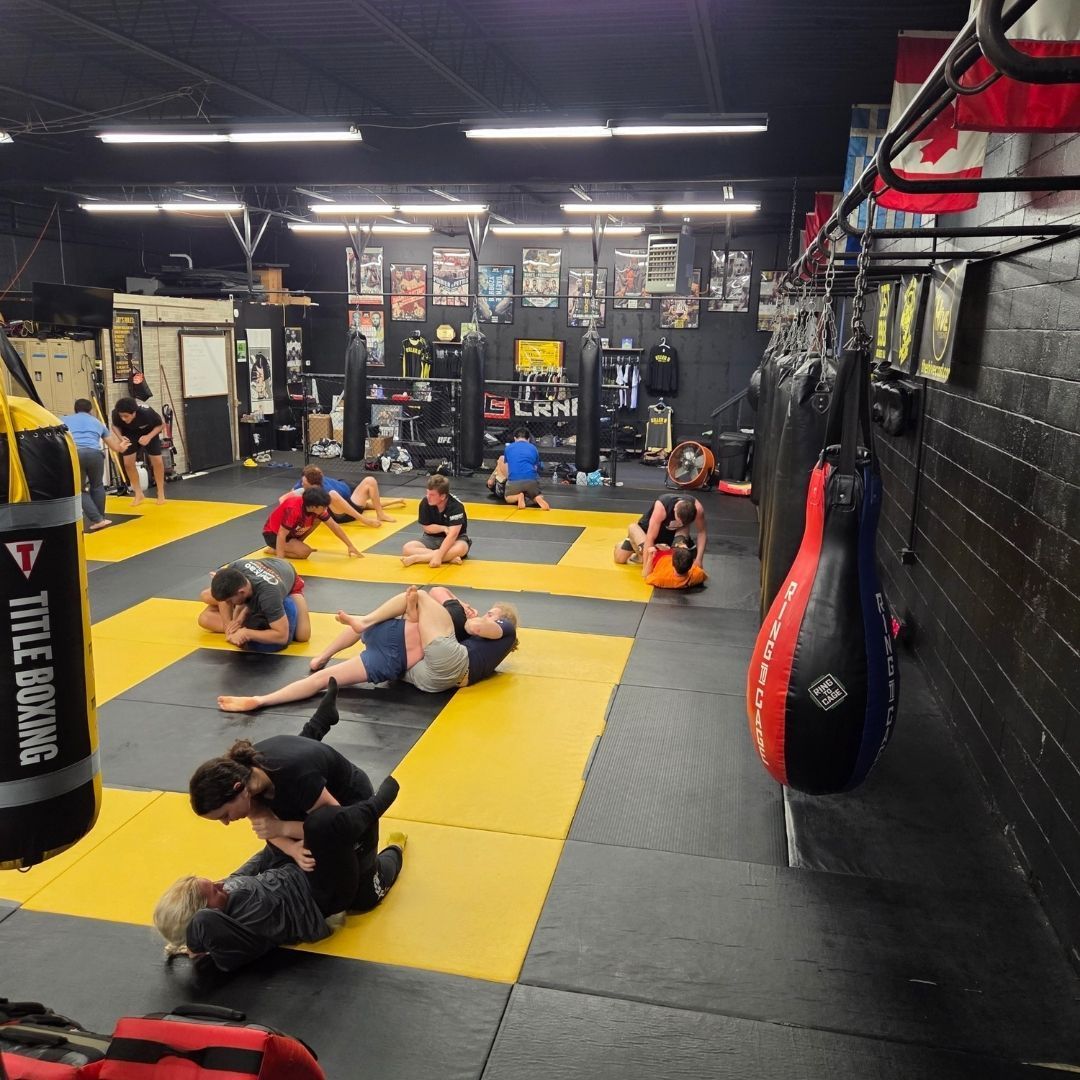
A normal class has a clear flow. We warm up, practice fundamentals, drill techniques with control, and finish with structured games or rounds that help kids apply skills safely. We track progress and give students goals they can understand, so motivation stays high.
Here is how we help you get started smoothly: 1. Choose a beginner friendly class time from the class schedule so your child is not thrown into a random advanced session. 2. Arrive a little early so we can help with orientation, rules, and what to bring. 3. Let your child try the first class with a simple goal: show up, participate, and have fun. 4. After class, we talk with you about fit, weekly frequency, and the next steps for progress. 5. Keep the first month consistent, because confidence is built through repetition.
If you have questions about age groups, readiness, or a child who needs extra patience, we will talk it through. Youth Martial Arts should feel challenging, but never chaotic.
A note on safety, competition, and smart progress
Parents also ask about injury risk. It is a fair concern. Any sport has risks, and competitive environments can raise those risks if athletes are rushed or contact is unmanaged.
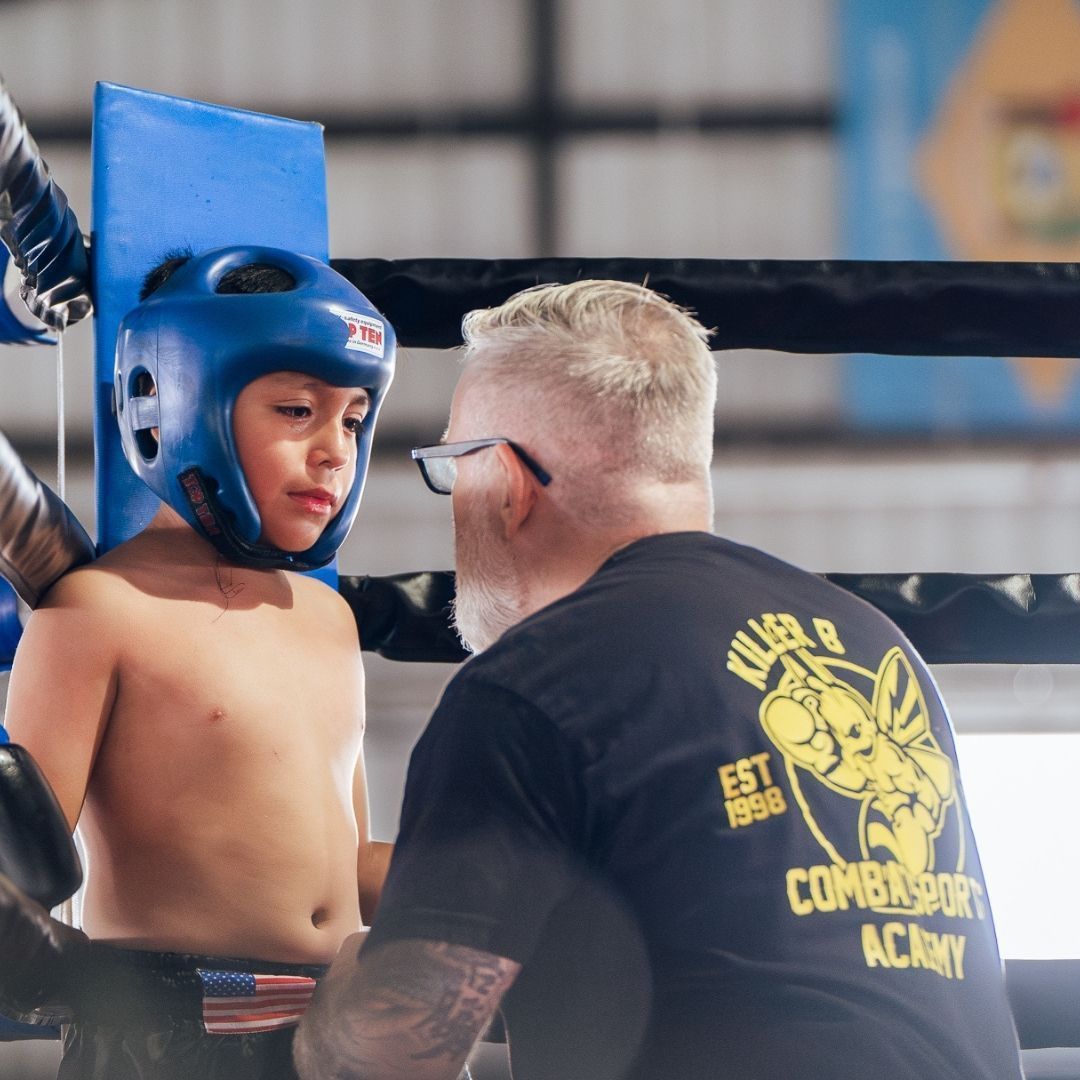
We use a safety first training model for youth. That includes supervised partner work, controlled intensity, age appropriate techniques, and teaching kids how to fall, brace, and protect themselves. We also emphasize respect and consent in training, so partners communicate and adjust. Our goal is not to see how tough a kid can be in one day. Our goal is long term growth.
When kids learn the right way, Martial Arts in Oakhurst becomes a healthy, empowering outlet that complements school, family life, and other sports.
Take the Next Step with Killer B Combat Academy
If you want Youth Martial Arts in Oakhurst that builds strength, confidence, focus, and real life skills, we built our approach to do exactly that, one class at a time, with a clear structure and a supportive culture at Killer B Combat Academy. You will see physical progress, but you will also notice the quieter changes: calmer reactions, better boundaries, and a stronger sense of self.
Killer B Combat Academy is here to guide your child from the first nervous class to steady, earned confidence that carries into school hallways, friendships, and everyday challenges, because the point is not just what happens on the mat, it is who your child becomes off it.
Train with experienced instructors and a supportive team by
joining a martial arts class at Killer B Combat Academy.